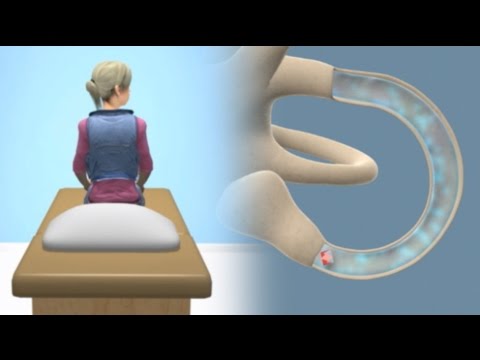
13 Secrets of Cervicalgia Headaches with exercises and treatments

13 Secrets of Cervicalgia Headaches with exercises and treatments

Our headaches and pains have causes and fixes, even if they aren’t immediately apparent.

We need to know what to do, but we also need to apply it. All of the knowledge in the world is useless if not applied and turned into wisdom.

The neck is an incredibly supportive structure for our heads and in this article we will cover 13 secrets that may be leading to or improving neck pain that creates headaches, also known as cervicalgia headaches.

What is a cervicalgia headache? / Definition

The international headache society describes cervicalgia headache or more commonly known as cervicogenic headache as:

Headache caused by a disorder of the cervical spine and its component bony, disc and/or soft tissue elements, usually but not invariably accompanied by neck pain.”

It’s simple. Neck pain or problems with the neck that create a headache.

But it can be complicated because other conditions like tension type headache and migraine also come with neck pain, making their diagnosis more likely unless there is a specific cause for cervicalgia headaches.

This can often be an injury or some sort of trauma to the neck.

This is where the diagnostic criteria come in.

These are the two main differentiating areas:

  1. Clinical and/or imaging evidence of a disorder or lesion within the cervical spine or soft tissues of the neck, known to be able to cause headache.
  2. Evidence of causation demonstrated by at least two of the following:
    1. Headache has developed in temporal relation to the onset of the cervical disorder or appearance of the lesion
    2. Headache has significantly improved or resolved in parallel with improvement in or resolution of the cervical disorder or lesion
    3. Cervical range of motion is reduced and headache is made significantly worse by provocative manuvers
    4. Headache is abolished following diagnostic blockade of a cervical structure or its nerve supply

As we get into the 13 secrets you will understand more about how the body can contribute to the neck, the neck can contribute to the head and the head can contribute to the neck pain and how they can all contribute to head pain.
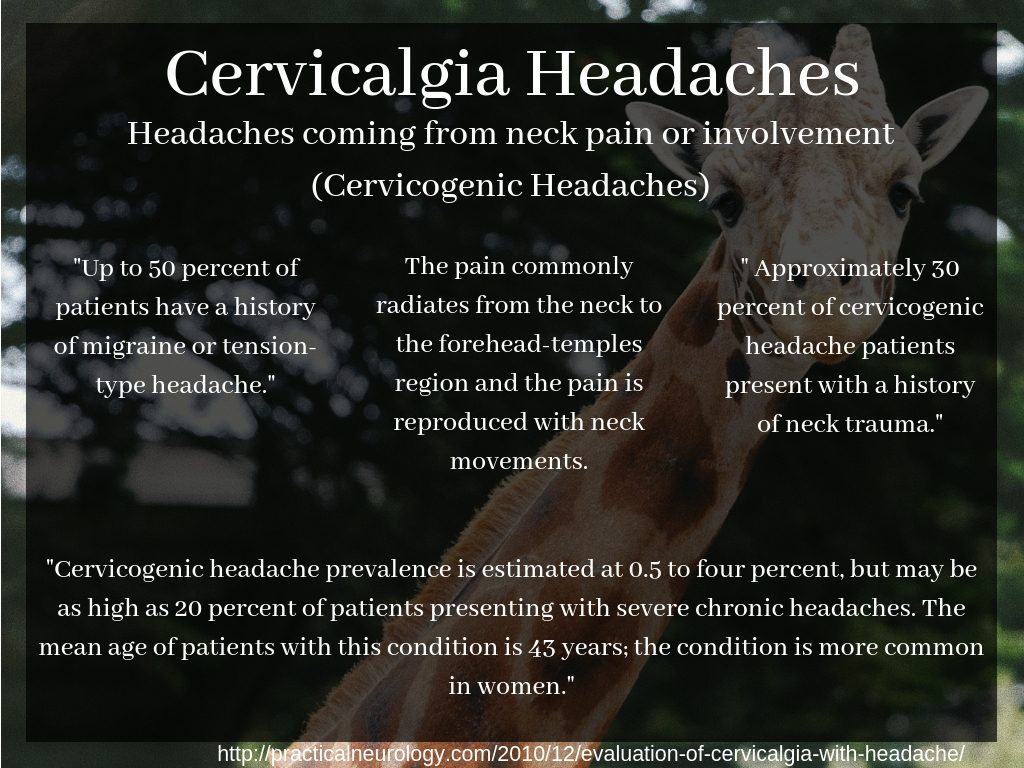
Cervicalgia Headaches exercises treatments Infographic

Symptoms of cervicalgia headaches:

  • Stiff neck
  • One sided head pain
  • Radiating pain
  • Shoulder or eye pain
  • Pain while coughing or sneezing
  • Aggravation of pain by movement of head or changes of posture

13 Secrets of cervicalgia headaches + treatments and exercises

It is critically important to get a good assessment and testing done to rule out anything more serious, especially if you’ve had neck trauma or find a lump of any sort.

As we go through the 13 secrets of cervicalgia headaches I will list practitioners to see and exercises or other techniques.

  1. Your head is actually contributing to your neck pain

Our neck is there to support our head and keep our head on our bodies.

Our most important nerves go through our spinal vertebrae and this makes spinal health at the very top of the priorities list for the body.

Our neck will sacrifice itself to keep the head supported but when we are constantly put into forward head posture we can develop things like dowagers hump.

This hump is very common and with the advent of electronics will become even more so.

Our head weighs about 10-12lbs when it is situated directly on top of our bodies.

For every degree that the head comes forward, this weight increases because our neck is like a lever.

See the picture below:

Text Neck

Not only do electronics contribute to this but so do our mental and emotional states.

A confident, strong and open person has an open chest and this sets the head on top of the body preventing it from coming forward.

But someone who is shy, reserved or closed off is more likely to be looking down and be closing their shoulders/closing themselves off from the world which contributes to forward head posture.

Does the way you think or feel about yourself or your life get reflected in your posture and appearance?

If you can change the tightness in your body, the tightness in your mind will change as well.

Where do you hold the most tension?

2. Atlas and axis misalignment

The atlas and axis are also known as C-1 and C-2.

They are the set of vertebrae at the top of the spine that hold the head up, hence the name “atlas.”

The problem is that the main nerves of our body go through these vertebrae.


But these two are easily offset and even a small degree off misalignment like 3mm can have a huge impact on your entire body.

The body will make sacrifices if this alignment is off, often causing the head to tilt, shoulders to tilt and hips to tilt, even making one leg longer than the other.

Injuries and accidents like whiplash, birth and falls are all strong enough to malign these vertebrae for a lifetime of pain and dysfunction.

The most commonly seen spinal joint that will create pain in the head is C1-C2.

Studies have demonstrated that provocation of the first cervical joint provides a variable referral pattern and C1-C2 joint consistently refers pain to the occiput.”

But the assessment and correcting system that regular health-care providers and physiotherapists have is usually not adequate to find the problem and fix it.

On top of that, we do not want someone who isn’t trained dealing with these as we can end up with a stroke or worse.

This is where CHEK practitioners and NUCCA chiropractors come in.

They are both well trained on assessing you and finding if there really is a discrepancy.

Some migraine sufferers swear by their atlas adjustments and if you’re getting neck, shoulder, hip, knee, head or foot pain then this is something important to look into by using the nucca directory here.

3. Neck injury

If you were in an accident or suffered an injury, only to have head or neck pain show up days to weeks to even months later, then you have to get it checked out. The problem is that not many MDs can properly screen you for problems with your vertebrae or musculature.

This is why I recommend finding a highly qualified chiropractor or osteopath. They will be able to help you correct and problem and then give you exercises so that your body can be re-trained.

When something gets shifted, over time our body gets used to this and develops a compensation pattern that works for that particular problem.

But patterns are hard to undo and if you’ve had a problem for years then it can actually feel very foreign to start functioning normally again.

Correct any problem and then retrain the nervous system and it will let go of any tension it is holding onto that can be pulling the musculature in the neck, back or head.

Using feldenkrais or alexander technique can help you restore normal functioning through the feeling of movement.

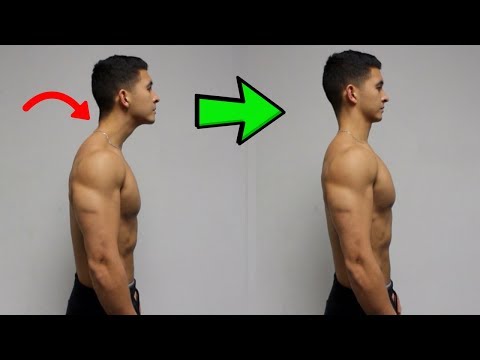
4. The wrong muscles are tight and supportive muscles are loose

Next we have the standard problem of overuse and under use.

We are pulled forward and down now more than every before because of our reliance on tables, chairs, electronics, cars, phones, desks and couches.

We are no longer predominantly walking up right.

This means the muscles in the back of our neck are getting too strong and the muscles in the front are not being used.

But not only do the muscles get tight, they pull other musculature and fascia they are connected to. We have muscles all the way from the bottom of our neck attached over the head and down onto the forehead eyes and cheeks. It’s a recipe for head pain.

We want to undo this.

When we want to deactivate a muscle, we can use a strong held stretch to take the tension out of it.

When we want to strengthen a muscle we simply need to use and contract it more.

In the video below are exercises you can use to stretch the tight and strengthen the weak muscles in your neck to restore balance.


5. You’re sleeping wrong

Sleep is huge and poor sleep is a huge source of stress.

We spend a third of our lives doing this activity and not moving, if we are not supported well, we will create imbalances that are hard to undo with a few minutes of stretching or strengthening.

How often do you wake up with head pain?

Our neck needs support so that it’s not being strained.

Our back needs support so that it’s not being stretched.

Our legs need support so that they are not creating torsion or twisting in our back.

If we have a crater in the middle of our bed we need a new one.

If our pillow isn’t holding our head in a neutral position like when we stand, we need to try some new ones out.

And if we sleep on our side and have one leg out, we need to keep our knee raised so that it doesn’t pull the side of our pelvis forward.

It’s simple, but often overlooked.

See this info-graphic on sleep position.

6. Your phone

It has become the largest postural mutation in our history.

Phones are like an extra limb and connect us to the limitless information available to us.

But we are not well suited for them.

Our weak arms make us hold phones low, causing our heads to come forward and necks to have to compensate, causing stretching and grinding of our vertebrae.

It’s a big problem and any effort we can make to lift our phones up in front of our faces will take the load off and stop the programming of the pattern into our bodies.

Not only that, but we may develop nicer shoulders as well.

Go hands free, wireless devices shouldn’t be near your body anyway as they have been linked to tumors and increased temperatures within cells.

7. Abdominal wall weakness

Our body is highly integrated, just like a web, if our abs are weak or non functioning, our body will cave in.

This will bring our chest down, shoulders in and head down.

Not only can repeatedly doing forward head posture behaviors do this because our body is trying to give our neck extra room to compensate, but this can also happen as a result of closed off breathing which we will cover further down.

First we have to make sure it’s not deep tension that is causing the problem. We hold emotional baggage in our abdomen but thankfully we can stretch and breathe it out.

First start with stretching, loosen up your body, make it supple.

After a few weeks of stretching and learning how to breathe deep, if the problem has not corrected itself then you can start using strengthening exercises like hanging leg lifts, stomach vacuums and other core exercises that help you integrate your arms, legs and head with your abdomen.

Try to avoid isolated abdominal movements as the body doesn’t isolate and everything works together so using isolated exercises may make the problem worse.

8. Organ inflammation

Piggybacking on abdominal wall weakness is organ inflammation.

Our organs take priority over our bones, joints and muscles.

If they are having a problem, the body will choose their needs first.

When we have inflammation in an organ like our liver or intestines, they need lots of oxygen, nutrients and blood.

If our muscles around them are tight, they don’t have the free blood flow they need.

So the muscles get shut off.

Back gets disengaged, abs are loosened.

This causes problems up and down the chain of our bodies.

If it only happens for a few days it’s usually okay, like when we drink for example.

But if this is chronic, we lose the integrity of our body.

Everything else starts trying to compensate, we cannot breathe deeply, neck and shoulder muscles get overworked and our head doesn’t get the support it needs.

Queue tension and pain.

This is one of the countless reasons finding a holistic health practitioner for your journey is crucial and why I help those who need advanced help here.

9. Estrogen dominance

Estrogen dominance is almost synonymous with ligament laxity.

As we get more estrogen in our bodies, our protein fibres get looser.

The problem is that estrogen is everywhere in our modern environments.

Petroleum products contain estrogens and everything is made from them like plastics and rubbers.

Heard of BPA? It’s a huge problem and in most plastics. Luckily it’s starting to get banned and awareness is being brought to it, but far too slowly.

Now its simply replaced with BPS, which has the same problems.

These compounds that are in makeup, hygiene products, packaging, foods, clothing and more are endocrine disruptors.

They disrupt the function of our endocrine system which is our glands.

Glands release hormones and are incredibly sensitive.

These endocrine disruptors are also known as obesogens…

Why? Because they make you obese.

How prevalent are hormonal problems, PMS, excessive fat and other estrogen related problems?

Everywhere.

Plus, as a bonus, if you have ligament or muscle laxity, your atlas and axis adjustment won’t stick.

It will keep coming out of place until the imbalance is corrected because the muscles are too loose.

10. You don’t know how to breathe(Most of us don’t)

You can live weeks without eating and days without drinking.

But only minutes without breathing.

It is the most essential of systems and connected to everything, like the way we think, feel and act.

It also influences our posture and vice versa.

We need to be breathing deep and down.

If we raise our shoulders when we breathe, we are doing it wrong.

Shoulder breathing means lots of anxiety problems and a huge amount of neck tension.

Our neck should not be supporting our breathing.

Our lungs go down, not up.

Retrain this immediately as I see it every day causing unnecessary head pain.

For more information on breathing make sure to read our article on 1 big tip for cervicogenic headaches here.

11. Blame your couch, car and chair

We love them, they are comfortable.

But they are this way because this is the pattern we’ve programmed into our bodies.

Just like how a professional cyclist preparing for a marathon has a rough time standing.

The pattern that we train is the one that becomes the norm.

Our body is compensating and trying to get better at what we are doing, no matter if it’s hurting us or not.

The problem is, it is hurting us.

Our breathing gets restricted, organs cannot function properly, nerves are impeded, we become lazy and sedentary…

This leads to even deeper issues like only wanting to be soothed and comforted which is the express lane for chronic disease. We need a balance of both and this means we need to function well in multiple modes.

Run, jump, walk, squat, lunge, push, pull and lift.

Use these to undo the patterns of sitting, it doesn’t have to be heavy or complicated, but it does have to move you.

As you get better at switching you will get more energy, your posture will fix and your neck will get stronger and be able to brush off any functional problems.

Use full body movements because everything in the body has to be integrated…

A bicep curl does nothing for your integration unless you turn it into a shoulder press and lunge etc.

12. Neck strain means inflammation which = anti-inflammatory support is needed

When in doubt, give the body some supplemental support to help speed up healing and take the burden off.

Some of the signature ways to do this are:

Turmeric – See our article on turmeric curcumin for migraines and headaches

Alternating hot-cold showers – It’s really simple but takes some will power, repeat hot and cold for 2-3 minutes

Magnesium for tension – See our article on magnesium glycinate for migraines and headaches

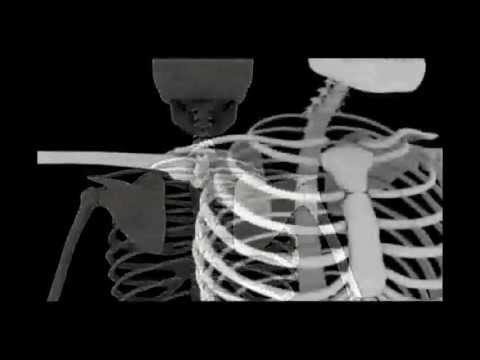
13. Locked shoulders

By now, you know that the body is highly integrated and everything talks to everything else.

The closest neighbour of the neck and head is the shoulder.

When the shoulder is having issues it is a surefire sign that we need to look at the neck as a possible cause.


We need to have a great range of motion whether we have headaches or not.

But when our shoulders are frozen and we have a severely limited ability to move around, our life and options deteriorate.

See the video below to understand more about frozen shoulder.

Cervical headaches can be a pickle, especially with doctors who just want to drug you and physiotherapists who’s exercises do nothing to address the actual cause.

By understanding these 13 secrets we are much better equipped to deal with any kind of head or neck pain from a holistic perspective because we known that the mind and body are interconnected.

Click here to understand the most important connection we have to our neck pain in our article, 1 big tip for cervicogenic headaches here.

Do you get neck pain with your headaches or head pain with your neck-aches?

Let me know in the comments below and send this to someone who’s experiencing them.

5 Avoidable sins of idiopathic stabbing headaches

5 Avoidable sins of idiopathic stabbing headaches

A head pain is not a head pain is not a head pain.

They are all very different because the causes are different and our bodies are different.

When we can personalize our approach to our situation we can heal the cause and take the load off of the weak areas that fail and cause us pain like our heads.

In this article we will be talking about idiopathic stabbing headaches, how we can define them, what causes them, the standard treatments as well as the 5 avoidable sins we can use today.

What are idiopathic stabbing headaches? / Define

Idiopathic stabbing headaches can be broken down into their root words to understand them more clearly.

Idiopathic – something that arises spontaneously or for which the cause is not known

Stabbing – the most common presentation of these headaches as if something like a knife or screwdriver has been stuck into your head

Headaches – pains around the head, upper neck and face

So an idiopathic stabbing headache is a pain in the head that feels knife like and comes on spontaneously for which the cause is not known.

But the last part is a bit misleading because we know many of the causes of headaches even if we don’t necessarily know the triggers.

Generally what happens is that out of nowhere you will experience a stabbing pain in your head which can be anywhere from mild to extremely crippling. This can last from seconds to hours but is usually only minutes at max.

See the graph below for the characteristics of these headaches also known as primary stabbing headaches below:

Characteristics of Primary Stabbing Headache

What causes idiopathic stabbing headaches?

Idiopathic stabbing headaches can be caused by a number of things because the body is interconnected.

This means that things that happen far from the site of the pain may be contributing and this is why getting a holistic assessment from your health-care provider is essential as simply medicating usually doesn’t fix the issue going on.

For example,

Stress in the digestive system can cause the vagus nerves afferent pathway to overstimulate the brain stem causing the trigeminal nerve which is implicated in headaches to be used as an outlet for energy.

You may feel the pain in your head, but pain is simply a message caused by a nerve and we have to be tuned in to our body to understand where it is really coming from.

This poses both amazing solutions as well as tricky problems.

Medical science is still a baby and chronic pain sufferers known the trouble of getting an MRI and blood work back showing that they are perfectly healthy when they feel like they are on the edge of death.

This means we have to rely on a really solid assessment by a holistic health-care practitioner, with proper referral to physical therapists, functional medicine laboratory testing and more to look at deeper areas.

All head pain triggers have been connected by oxidation and so this is one of the first areas we need to learn to avoid, support and counteract.

We will go deeper into it in the 5 avoidable sins.

What are the standard treatments used for idiopathic stabbing headaches?

According to healthline, two of the standard treatments for these types of headaches are indomethacin and gabapentin.

But with the nature of these drugs you will likely be on them for the rest of your life and they cause nutrient deficiencies that need to be properly supplemented for.

If you experience any sudden pains out of the blue make sure to contact your doctor immediately and rule out anything more serious.

If you’ve been getting these pains frequently over the last few weeks, months, years or even decades it is important to do the avoidable.

The 5 avoidable sins of idiopathic stabbing headaches

The symptoms we experience have causes and reasons as our bodies are highly complex and intelligent.

When we can avoid these “sins” we will not only be much better off for reducing our risk factors for head pain, but we will also think more clearly, live longer happier lives and feel real health in our bodies.

1. Nutrient deficiency

The absolute first and foremost most important issue we need to understand and work to resolve is nutrient deficiency. Unless we are living below poverty and live far away from any source of natural and sustainable farming or gardening, we have to choose health as a priority and fix these.

Nutrient deficiency is rampant across the entire globe and especially in the most advanced societies.

If your body is lacking a building block, the entire chain of events that the building block is supposed to allow, stops.

With long term nutrient deficiencies you can lose IQ, lose emotional resilience, lose any physical strength or health, lose brain function and make brain degeneration happen faster and faster.

Do not gamble with nutrient deficiencies.

See the picture below on the most common nutrient deficiencies present.

% Americans with Intake Below Recommended Daily Allowance

But how do we go about starting the mend and refilling our bodies reserves?

There is a simple diet created by Dr Terry Wahls which she used to reverse her chronic progressive unremitting multiple sclerosis after she was already completely handicapped by it.

It goes like this.

Each day get:

3 Cups of nutrient dense leafy greens or micorgreens such as kale, parsley, cilantro etc.

3 Cups of Sulfur rich vegetables such as those in the cruciferous, onion and mushroom families

3 Cups of full colored fruit or veg that covers the colors of the rainbow you’re missing such as berries

Organ meats such as liver, kidney, stomach, sweetbreads etc.

Sea weeds such as dulse, nori, kombu etc.

Its really simple but profoundly powerful.

Start here and watch your health transform.

2. Inflammation

You need to stop it, wherever it is. If it’s in one area of your body, it is likely everywhere. Telltale signs are heat, redness, swelling and pain.

A little bit of inflammation in the body is good and normal. But every day and chronically will start to destroy tissues and if its in the brain, it may be destroying the brain.

Inflammation is a large topic so read our article on the headache that won’t go away and what to do about it here to get in depth information on inflammation.

One of our best tools against inflammation that has actually been shown to improve dozens of different conditions because of how powerful it is, even making it migraine professional article worthy is turmeric. Click here to read our article on using turmeric curcumin for headaches.

3. Stress/tension and anxiety

These three go hand in hand, come from the same sources and perpetuate each other. Find them in your life and go out and find the solutions to them, they are there you just have to look.

Stress does not serve you. It is a primal reaction used by the body to make you fight, flee and get frightened.

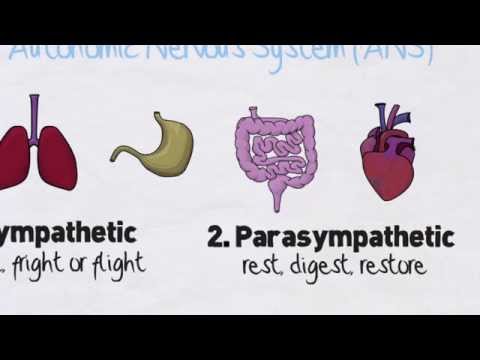
In today’s world, it brings nothing but negative consequences. We need to learn to switch out of fight or flight mode that creates even more stress than the stress that caused it and switch into rest and digest mode. See the parasympathetic section of this article.

Tension is a tell tale sign of non stop stress, bad posture, bad movement(or no movement) and nutritional deficiencies like a lack of magnesium. Stretch it out using post isometric stretching, use a roller or a ball to massage it out or even pamper yourself and get to know a masseuse, you deserve it and require a tension-less stay to function at your best. See our article on cervicogenic headaches here to learn about tension created pain.

Anxiety inflates problems that have not even happened yet. Problems that usually never do.

It is the fear of future events and an exaggerated stress response to them.

You will wreck your sleep, destroy your ability to digest and ruin any possibility of thinking intelligently if your are constantly anxious. It can be fixed and the solutions are there.

Dealing with trauma and learned patterns of compensation is a big piece.

When you begin reducing one of these three, the others reduce as well.

When you begin taking steps for all three, you can switch off the bodies fear response that keep it on the edge of trigger.

Often times, the things that are causing these three can come from deeply held beliefs and ideas about our life or what we should or have to do.

If we step back, become objective and reflect on what is going on we can begin to see the “problems” we experience as minor.

This is where mindfulness comes in really handy as a tool you can use for the rest of your life to give you peace day after day.

Watch the video below to learn about mindfulness from the creator of mindfulness meditation Dr Jon Kabat Zinn:


4. Circadian malfunction

We can encounter many toxic problems in this world, but the majority of them are a blip on the radar as long as we can sleep properly.

Studies show, most people don’t.

Circadian rhythms are the bodies 24-hr clock that regulate the cycles within every cell and hormone in our bodies.

Circadian rhythms determine when we wake up, when we go to sleep, if we repair, if we can think clearly, if we produce new healthy cells and if our pain will come back today or not.

Circadian cycles are as old as the very first single celled organisms in our universe.

They are deeply ingrained into us and one of the reasons that shift work is classified as a carcinogen.

We need these to be regulated and it requires a few different pieces:

  • Direct sunlight onto our eyes and skin during the day
  • Avoidance of artificial sources of blue light at night
  • Balanced blood sugar
  • Low mental/emotional stress
  • 10pm-6am sleep
  • Winding down starting 2 hours before bed
  • 20 minutes of exercise during the day
  • Proper melatonin levels

Melatonin is one of the most effective alternatives to medication for these types of headaches.

But melatonin is more than a drug, its a neurohormone. It regulates our sleep-wake cycles.

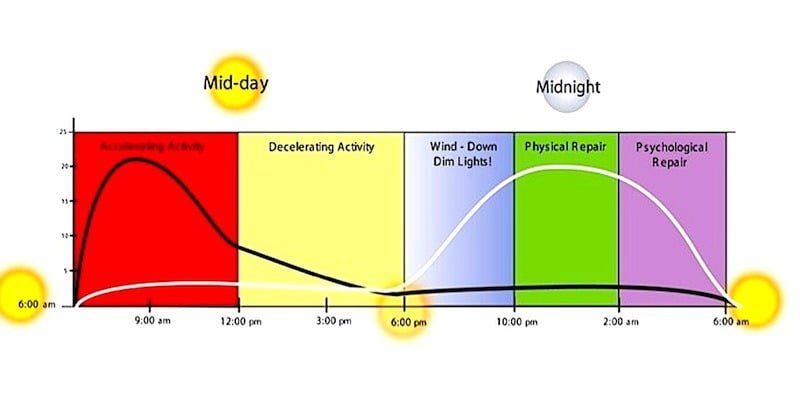
And it works inversely to cortisol, our stress hormone.

When the sun comes up, the light triggers our body to release cortisol which wakes us up and makes us alert.

When the sun starts setting, the blue light spectrum from the sun disappears and the stress response creating cortisol drops.

This allows melatonin to start climbing and preparing us for sleep and repair.

Paul CHEK

(Cortisol level is the black line and melatonin the white line)

Melatonin is also a critical antioxidant in the brain, preventing damage from any free radicals or antioxidants that can be made through improper metabolism or waste removal.

If we continue exposing our body to the blue light spectrum like that from screens and fluorescent lighting, our body thinks it is still day and keeps releasing cortisol.

This causes our entire sleep cycle to shift and become disrupted. Our body loses touch with the natural cycles.

We need to implement things like killing electronic use 2 hours before bed and using blue light filters apps, blue light filter glasses etc.

One small study found that in 3 patients suffering from idiopathic stabbing headaches, taking 3-12mg of melatonin nightly gave them complete freedom from pain.(Link)

That is only a very small number of people but it is a fairly rare disorder and comes with many co-morbid disorders like tension, cluster and migraine headache of which there have been many studies using melatonin as a preventive for them.

Remember a supplement is only a supplement to an already solid program, do the big things first, your body will thank you.

5. Dental trigger

This is rarely talked about because of the large dental monopoly that has protected from any scrutiny of dental practises.

But the chronic illnesses that are created by bad teeth are huge.

Our trigeminal nerve which is the main nerve throughout our head and face that triggers pain is connected right into our jaw and teeth.

If we have a root canal, cavity or bridge, it can leech an infection into our blood stream 24/7.

It has become very common to have disimilar metals in our mouth which when you add a solution like saliva creates an electrical charge.

Remember our body runs on bioelectrical energy, all of our nerves impulses are electric.

Having dental work that accidentally kills a piece of a tooth and leaves it to rot for years…

Eating sugar laden foods that cause our lymphatic system in our mouths to reverse and stop draining waste properly leading to dental decay…

And getting things like root canals that are notorious for developing infections which can create a huge strain on the body…

These are all direct stressors and triggers for activating the pain in our trigeminal nerve.

We need to take care of our teeth and mouth.

See the chart below on what areas of the body and organs are connected to what teeth and see if you can make your own connections.

Our mouth has its own microbiome that actually affects our guts microbiome.

We can eat sweet food, but not food that has been sweetened with bare sugar. Sugar is a waste product.

We need to make sure we have lots of the necessary minerals in our diet and lifestyle like vitamin D, silica, collagen, calcium and zinc.

And we need proper dental hygiene(brushing, flossing, tongue scraping, oil pulling etc)

By combining a good checkup to make sure there isn’t anything more serious going on, a full holistic assessment to rule out major mind/body causes of chronic pain and by steering clear of the avoidable sins we can become free of head pain and the pieces of our life it can ruin.

Along with the avoidable sins, there are 5 special tips for ice pick headaches that are absolutely invaluable in your journey for relief which you can find here.

To learn more about healing head pains than you have ever known before and be empowered to overcome pain then join the migraine professional community here.

Do you experience idiopathic stabbing headaches or another primary stabbing pain? Let me know in the comments below.

Do you know someone that does? Share this article with them.

Amazing features that define a migrainous stroke infarction

17 Amazing features that define a migrainous stroke infarction

One of the scariest risk factors with migraine is the increasing chance of a stroke.

This was one of my moms biggest worries with her migraines but thankfully she doesn’t have to worry about them any more.

In this article, we will discuss what a migrainous infarction/stroke is and the features that define it as well as what risks increase its chance and what we need to understand to lower danger.

Define a migrainous infarction / stroke

An infarction or stroke is when a part of the brain stops receiving adequate blood flow and essentially starves for oxygen, causing tissue damage and death.

A migrainous infarction or stroke is simply one that occurs during a migraine with aura or presenting with symptoms of a migraine with aura.

The international headache society defines a migrainous stroke or infarction as:

  • Occurring in a patient that has migraine with aura and has an attack typical of others but with aura symptoms longer than 60 minutes
  • Neuroimaging showing lack of blood flow in the relevant areas
  • No better diagnosis

Migrainous infarctions can present with only small changes and this is what makes it problematic since migraines have such a large range of symptom variation.

A hemiplegic migraine is almost the same as a stroke in how its symptoms present and a migraine with aura only has to last longer than usual to become suspect.

The important understanding here is that a neuroimaging test like CT or MRI is needed to tell if the brain has a block of blood flow.

If you are experiencing migraine symptoms different than usual or an aura lasting longer than usual it is important to see your doctor immediately to prevent further damage.

See this infographic to understand more about strokes:

Features of a migrainous stroke/ infarction

Like we talked about above, a migrainous infarction can present in a few different ways.

It can range from almost the same as a regular migraine with aura, to all the way down the spectrum of a serious hemiplegic migraine with one sided paralysis.

The side of the brain that is affected will usually show the opposite side symptoms.

So if the left half of the brain is affected, right sided symptoms may show throughout your body and vice versa.

Its important that we do rehabilitation for the affected side:

– We should do more creative artistic and visual exercises to create more connections on the right side

– We should do more logical, analytical exercises to foster connections on the left side

For a migrainous stroke, we have to get both the symptoms of a migraine with aura as well as the symptoms of a stroke, together.

Features of a migraine aura include:

  • Becoming pale
  • Yawning
  • Blurred vision
  • Flashes of light
  • Fatigue or increased energy
  • Difficulty concentrating
  • Neck stiffness
  • Increased sensitivity to lights and sounds
  • Nausea and vomiting
  • Tingling sensation
  • Phantom smells, sounds and visions

Features of a stroke include:

  • Symptoms generally appear quickly
  • Numbness weakness of the face, arm or leg especially one sided
  • Confusion
  • Trouble speaking, seeing or walking
  • Dizziness or loss of balance and coordination
  • Sudden severe headache with no known cause

This can happen a few different ways, sometimes the aura will begin and then stroke like symptoms will start very suddenly or they may come together or even start with stroke like symptoms and then have the aura symptoms come on.

It is important to note that a suddenness and change from any normal presentation of your migraine with aura is cause for concern and should be investigated.

By the time we have a stroke, we need emergency help. But long before we do, we can take steps that cut our risks into a fraction of what they were.

Some of the best things we can do for our fears is focus on prevention

For both men and women, as many as 9 out of 10 strokes are preventable by minimizing risk factors, according to a July 2016 study of 26,000 people by McMaster University in Ontario, Canada.” (Link)

Stroke is highly dependent on risk factors.

If we can avoid our risk factors and the causes, we will not only ease our fears and prevent unneeded stroke but we will also be much healthier, happier and live more fulfilled lives.

And we may even be able to prevent our migraines.

Amazing features that define a migrainous stroke infarction

Amazing features that define a migrainous stroke infarction

There are a few major factors that increase our risk.

They are:

Oral contraceptive use

– Instead read the book “The Pill: Are You Sure It’s for You?” by Alexandra Pope and Jane Bennett

Smoking

– Switch to vaporizing and using organic non processed products along with a protocol for overcoming addiction

Being sedentary

– Just 20-30 minutes of exercise a day 3+ times a week can improve all of your health markers and give you a lean body that will feel and function much better. It has also been shown to reduce migraines and lower central sensitization which happens in chronic pain conditions.

Having high blood pressure

– High BP means you are dehydrated and eating the wrong foods for your type. These will cause many issues with your heart and blood and something as simple as adding coconut water to your daily diet has been shown to decrease hypertension.

Diabetes

– Diabetes is a killer and means we are eating foods that are activating our immune system leading to the destruction of our blood sugar regulating system as well as eating a bad balance of proteins/fats/carbohydrates in each of our meals. Consider asking us about how we use metabolic typing to find the ideal ratios for our clients and balance blood sugar naturally. If blood sugar is out of balance, so is our brain, hormones and gut. Consider including more fiber rich vegetables and pastured/wild meats to your diet.

High cholesterol and cholesterol medications

– There was a large myth perpetuated by the medical community for years that dietary cholesterol meant blood cholesterol but this has since been debunked(Link). Actually, it is important for us to eat dietary cholesterol as cholesterol is what makes up our cells, tissues, hormones and brains. Statins which are common cholesterol medications may provide extra risk factors since they deplete CoQ10 in the body which may actually be one of the most essential and protective nutrients for the heart.

Migraine medications

– The prevailing theory with migraines for the past few decades is that a constriction and expansion of blood vessels lead to the nerve pain that created migraines. Because of this, medications that constricted blood vessels were used but this does come with the side effect of an increased risk of stroke for medications like triptans if you are predisposed.

According to Drs. Richard Lipton and Stuart Tepper, two leading physicians in the world of migraine research, “triptans should not be used by people with cardiovascular disease or hypertension. Triptans can cause stroke or arrhythmia in predisposed individuals. Women over 55 and men over 40 should take with caution.”(Link)

See this short video on factors you can use to reduce risk.

Now we need to understand what is going on with strokes, migraines and our brains.

It is very common for the migraine brain to experience energy generation problems and connected problems with oxidation and inflammation.

In fact, oxidation is the one common factor that connects every migraine trigger.

Inside each of our cells we have mitochondria.

These are the energy generation stations of our cells and especially our brain cells like neurons.

When our mitochondria are happy and healthy, they can create loads of energy and minimize oxidation and inflammation.

But when they become ill because of things like nutrient deficiencies, inflammation, stress, infections etc…

They cause the collapse of the cell and can lead to our brains going through fatigue.

This may also be one of the reasons responsible for cortical spreading depression which has been implicated in many different types of migraines and especially migraines with aura.

Cortical spreading depression is a process where the brain goes through a wave of energy surge followed by a blackout.

The neurons in the brain become excitable and fragile, then when an event happens that causes more stress on the system than usual, the neurons fire but this creates a wave throughout the brain causing other neurons to fire involuntarily.

Because the neurons are fragile from previous days, months and years of not having proper energy generation or other factors, this spike in their activity is followed by severe fatigue, triggering the blackout.

The idea is that when this “blackout” happens in the occiput which handles visual information, we can experience the migraine aura.

Mitochondria are highly implicated here because they provide the energy that the cell needs to survive and thrive, creating impulses to transfer thoughts to other cells throughout the brain.

We need to support the mitochondria, give them the building blocks they need for fuel and get out of their way so they can do their job of supporting us.

It is important to remember that mitochondria were once separate organisms from our cells and through evolution we absorbed them and developed a symbiotic relationship with them.

They are essentially bacteria that live within our cells and so things like antibiotics can damage them but things like supporting our microbiome can help them. They even have their own DNA.

Watch this video by Dr Terry Wahls where she talks about how she overcame her progressive neurodegenerative disease with good nutrition and mitochondrial support.


What are some of the best ways to support your mitochondria?

Intermittent fasting

This is a tough one especially for migraine sufferers and for good reason. Often those with migraine cannot miss meals because it will trigger a migraine but this is actually showing us the problem. The body is having a hard time creating energy and dealing with blood sugar balancing. This should be handled first and foremost with a skilled nutritionist. Missing a meal should not be triggering a migraine.

Exercise

Exercise has been shown to be amazing for both migraines and mitochondria. Just make sure to work up to it and read our article on how exercise can trigger and help migraines here.

Cold exposure

Cryotherapy has become increasingly popular for executives, athletes and other top performers. But it doesn’t have to be something expensive or out of your way. Simple daily cold showers are a great way to build resilience. As an added bonus they also improve the vagus nerve which has been implicated in migraine and one of the reasons that the gammacore migraine device works.

Turmeric

Turmeric is an amazing root used for thousands of years by indigenous cultures. They knew something we are just starting to learn. Turmeric is amazing for so many different things and mitochondrial function is one of them. See our article on turmeric curcumin for migraines here.

When we can begin at the cellular level we can support everything those cells create.

Healthy brain cells mean a healthy, functional brain.

We need to know what is going on, get a proper assessment and reduce our risk factors. Then we can begin the healing work with things like mitochondrial support.

Click here to read our article and learn the 7 essential skills for how to stop a migraine aura.

Have you ever experienced a migraine with aura that came with a seizure or seizure like episode? Comment below and let me know.

Do you know someone else who has? Share this article with them.

allodynia symptom checklist and migraines

3 Root-cause connections for allodynia symptom checklist and migraines

As we get deeper into the chronic pain hole, our entire body beings to reprogram itself to be even more sensitive to pain.

This creates a vicious cycle we need to break as soon as possible.

Luckily, the body has a few switches that when turned off, the need for pain gets turned off as well.

In this article, we will be talking about allodynia and how the chronic sensitization of pain is assessed with the allodynia symptom checklist and how migraine plays a role.

What is allodynia? / Definition

The international headache society defines allodynia as:

Sensation of discomfort or pain arising from a stimulus that would not normally be sufficient to have this effect.”

This is different from hyperalgesia which is a sensation of pain or discomfort from a stimulus that is expected to be painful.

In essence what we are talking about here is where the body has become hyper sensitive.

It has crossed over into what we call “trigger mode” in the migraine community.

The body is always lingering on a high level of neuron activity that easily crosses the threshold with any little stimulus such as:

  • Combing or pulling back hair
  • Shaving face
  • Wearing glasses, contact lenses, a necklace or tight clothing
  • Taking a shower
  • Resting your face or head on a pillow
  • Exposure to heat or cold

Because our neurons are always at a high level of activity and trigger so easily, this creates a vicious cycle that further depletes them of energy and causes fatigue and more hair trigger sensations.

We will go into the mechanism below.

The allodynia symptom checklist

The allodynia symptom checklist is a standard measurement used to rate how severe your level of allodynia is.

This scale goes from no allodynia at 0-2 to severe allodynia at 9+.

allodynia symptom checklist

In migraine sufferers, allodynia type sensations are fairly common and connections have been found between the mechanism that causes migraines and the mechanism that causes allodynia.

In one study,

The prevalence of allodynia among migraineurs was 63.2%. Severe cutaneous allodynia occurred in 20.4% of migraineurs.”

 allodynia symptoms checklist and migraines

3 Root cause connections

When we want to understand allodynia, what is going on with our body and what we can do about it we need to understand how neurons work, how the body creates patterns and how it processes information.

The three key pieces here are:

  • Neuron excitation/threshold
  • Nociception
  • Central sensitization

Lets start with how neurons start functioning when they become unhealthy and cannot produce enough energy.

1. Neuron excitation/threshold

Our neurons always have a baseline of activity and stimulation. They are always a little bit stimulated but this doesn’t cause the neuron to “fire.”

When a neuron fires, a thought, idea, action is performed. For example, when we think of a memory, our brain will fire the pathway that last recorded our memory and we will remember it.

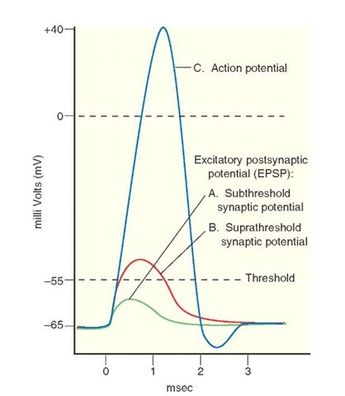
But for the neuron to fire, its level of activity and stimulation has to cross its threshold.

When our neurons are healthy, our baseline activity is low and it takes a good stimulus to cross the threshold and cause the neuron to fire.

But when our neurons have trouble creating energy because of inflammation, oxidation or a lack of nutrients to build the blocks of energy, our baseline activity actually goes up.

This makes it so that there is less of a stimulus needed to cause the neuron to fire. This is bad because then when we have very small things happening like a change of temperature or wearing tight clothing, our neurons in our pain receptors can involuntarily fire, giving us pain sensations.

See the pin below to get an idea of how the level of activity has to cross the threshold to cause firing of the neuron.

Synaptic Transmission (The Neuron) Part 1

We want to make sure we can keep inflammation low and provide specific nerve nutrients so that our neurons can produce the energy they need and can maintain a lower level of activity.

When these involuntary triggers are always happening, it drains the neurons of energy even further, leading to a vicious cycle.

This adds to the sensation that our nervous system uses called nociception.

2. Nociception

Nociception which is also called nociperception is the nervous systems’ response to harmful and potentially harmful stimuli.

It is like a sense except it gets added up and totalled.

If the amount of harm our nociceptive system is perceiving is high, our body will think we are in danger.

Sensing danger is great in the short term because it activates our bodies resources, gives us energy and makes us focus so that we can get out of danger.

But when this system is sensing danger chronically, our body burns up resources and we get things like chronic fatigue, anxiety, racing heart beat, poor sleep, brain fog and so much more.

We need to keep the total level of nociceptive stress low, but nociception is present throughout our whole nervous system and it gets totaled up.

Our nervous system literally is us and every part of us.

This means every harmful stimulus in and around our bodies, even mental and emotional ones, add to this perception of stress.

We need to reduce stress in every area of our lives that we can.

This means taking out poisons like:

  • Plastics
  • Petroleum products
  • Non natural hygiene products
  • Poor quality makeup
  • Cookware that leeches
  • Mercury amalgams
  • Non organic clothing
  • Conventionally raised produce
  • Non pastured or wild meats
  • Plastic containers, bottles
  • Pesticides, herbicides, fungicides
  • Mental over work
  • Emotional trauma, stress and worry
  • Over exercise and under exercise
  • Poor breathing patterns
  • Excessive blue light
  • Electro-magnetic field exposure
  • Poor quality water

These all play a part in adding to the burden of our liver or kidneys or hormones or brain or lungs or heart etc etc etc.

The nervous system controls them all and adds up stress on any one of them as a total for the body. If it is too high, the body will constantly be in danger mode, more commonly called fight flight or fright mode.

When we are in this mode, our body is not in rest, digest and repair mode which is the one we need to be in the majority of the time to keep our baseline of activity low and stay out of trigger mode.

If we don’t, our body begins strengthening the pain pathways that leads to central sensitization.

3. Central sensitization

Central sensitization is defined as when the nervous system goes through a pattern of “winding-up” and becomes persistently stuck in a state of high reactivity.

When we are in high pain all of the time and especially in conditions like migraine where our metabolic processes aren’t creating proper energy to support low baseline levels of neuron activity, then the body actually gets stuck like this.

It gets conditioned to stay in this state of high reactivity.

Our body is scared. It thinks we are in danger and it can’t properly compensate for stress by raising its stress level and then lowering it to a healthy normal function.

It stays high and it keeps us in fight, flight and fright mode.

Our brain and nervous system functions like a muscle in that,

What gets used, gets reinforced.”

So staying in this state of high tension, high stress and high pain makes our pain pathways get reinforced.

Our body always wants to become efficient in whatever its doing, even if that is counter productive to our own functioning.

So it builds these pain pathways, makes them stronger and it becomes harder and harder to switch out of them.

The vicious cycle continues.

This is one of the reasons things like regular cold showers, infrared saunas and exercise may actually be beneficial.

When we are put into these states of stress that are even higher than our baseline, but with positive health benefits, our body can gets very stressed and then rebound into rest, digest and repair mode.

So during the cold shower we may cringe and shake, even raising pain, but after that, our body will know the stress is over and return to a normal baseline.

Instead of the usual, chronic, non stop sensitization that occurs with many cases of migraine, headache and other types of chronic pain.

Often one of the first things we start to do when pain or dis-ease sets in is hide, stay still and stop doing things.

But this may actually be more detrimental than helpful.

We need to address the root cause first and remove any excessive stresses like over exercise, relationship issues etc.

But after that, as long as we are supported, we need to get out of our pain pathways.

We need to move, learn new things, see new things and bring novelty into our lives so that our brain can grow and build new pathways.

Without stimulus, it just won’t. It will continue to decay.

I would encourage you to do the opposite of what you are good at, to bring the weaker areas of your brain up to par.

If you are very logical and systems based then you should do more creative and artsy things.

If you are very colorful and creative then take the time and do more linear things like math, calculations and analytical thoughts.


This will bring up weak areas of the brain and create more interconnection in the brain so that neuroplasticity can compensate for any damage that has been done.

As you build your brain back up and reduce any neurodegeneration that has happened, pain will be reduced and happiness and healthiness will come back into your life.

But it has to be approached holistically so that you find the cause and eliminate that first before starting the rebuild otherwise anything you are doing is only palliative.

To understand more about the factors that go into creating pain and migraine, see our article on status migrainosus and intractable migraines which are the migraines that last over 72 hours and don’t respond to treatment.

To learn more about migraines than you’ve ever know before, join the community here.

Do you experience allodynia?

Do you have a disease that it is associated with?

Let me know in the comments below and share this with someone else who has allodynia.

Can Vestibular Neuritis Cause Migraines And Headaches

Can vestibular neuritis cause migraines and headaches?

Vestibular issues can cripple us, especially when they come with migraines.

Luckily, our brain and body are very plastic and when we can remove the cause and lower inflammation, we can relieve many vestibular symptoms and live normal lives again.

In this article, we will cover what vestibular neuritis is and how it can be connected to migraines and headaches from a holistic and functional perspective.

What is vestibular neuritis?

Vestibular neuritis can be broken down by its root words:

Vestibular = our balance and coordination

neur = neurons and nerves

itis = inflammation

So vestibular neuritis = inflammation of the vestibular nerve

Vestibular neuritis usually comes on suddenly and quickly and usually comes with a sense of things being “off.”

Things you are looking at may feel different, the way you move may be altered, you may bump into things and your head may feel “off.”

If you start experiencing vestibular neuritis symptoms it is important to go and get tested to rule out more serious issues immediately and if it is a viral infection that it gets dealt with as soon as possible to prevent further damage to nerves.

See the pin below to understand where vestibular neuritis is:

Vestibular Neuritis Symptoms, Treatment, What is, Causes

Symptoms of vestibular neuritis

  • Difficulty concentrating
  • Nausea and/or vomiting
  • Difficulty balancing
  • Dizziness
  • A sudden and severe feeling as if you are spinning or swaying commonly know as vertigo

Treatment for Vestibular neuritis

The standard treatments would be to deal with the usually suspected viral infection that caused the nerve to become inflamed first and then do vestibular training to reset how the brain is processing information coming from the vestibular system so that it doesn’t keep interpreting dizziness.

See this video to get an idea of what vestibular neuritis is from a balance specialist.

Causes of Vestibular Neuritis

Vestibular neuritis is generally understood as being caused by a viral infection in the vestibular system or somewhere else in the body that has created inflammation in the vestibular nerve.

Often this will cause deterioration and damage to the nerve leading to loss of function and all of the symptoms that come with a dysfunctional balance and coordination system.

But because inflammation plays a role and because the vestibulocochlear nerve is one of the cranial nerves and they all “hold hands” we need to lower our bodies inflammation levels and take stress off of our brain and other nerves.

Getting ENG and VNG testing is important to assess inner ear functioning.

Vestibular Exercises

It is important to have a trained professional assess you and give you the correct exercises for your particular case.

When starting rehabilitation exercises symptoms may worsen at first.

That said if you are looking for online vestibular rehabilitation exercises then visit brainandspine.org

See the video below for the 10 best balance exercises:

Vestibular neuritis recovery time

The recovery time for vestibular neuritis depends on the individual and how much effort they put into going through the very difficult dizziness that is associated with doing the recovery exercises.

By dealing with any infeciton that is causing the symptoms, lowering inflammation and putting in effort every day if not multiple times a day to retrain the brain, quick recovery is completely possible.

See this video to hear a vestibular neuritis recovery story and how she shortened her recovery time drastically:

How can it cause headaches and migraines?

When our body loses its accuracy in perceiving its environment through the vestibular system, it will start compensation for things that aren’t there.

For example, if we are sitting at a desk every day that has poor ergonomics and we have to bring our head forward to see the screen properly, our body will compensate for this.

It will round the back to take stress off of the neck but this may lead to back pain and tightness.

A similar thing happens when our vestibular system is affected, depending on how it is affected.

This very frequently leads to neck tightness and head pain as our body tries to compensate.

But there is also the causal factor that can create issues.

If we have excessive inflammation and oxidation or we have a viral infection running rampant and destroying nerves, our brain and other nerves are highly susceptible.

They can be affected , damaged and create pain sensations as a response to nerve damage or to try to protect you from further damage.

Vestibular neuritis vs vestibular migraine

Even though vestibular neuritis and vestibular migraine have many symptoms in common, we can draw some lines.

Whereas vestibular migraine is largely a problem of the brain and specifically with the cerebellum because that is what processes balance and coordination. Vestibular neuritis is usually a problem of the nerve coming out from the brain that goes into the vestibular system.

They both require that the cause be dealt with first and foremost with viral infection common in neuritis and metabolic breakdown common in migraine.

They both do well with dietary and nutritional support as the brain needs nutrients to rebuild and recover but neuritis may need antiviral nutrients whereas migraine may need vitamins and minerals to fix energy issues in the brain and neurodegeneration.

Both neuritis and migraine require stimulus. Even if we lose neurons in the brain or nerves because of circumstances, we still need to use strong stimuli so that the neurons we do have create new pathways and correct the problem.

Vestibular training is common in both because it is a specific stimulus to the vestibular system, vestibular nerves and cerebellum which makes those parts of our nervous system work harder to compensate.

How do we deal with vestibular neuritis caused headaches?

Ideally we want to deal with the neuritis first and foremost, because if the headaches are caused by our body trying to compensate for our posture from not knowing where we are in the world, then just getting rid of pain doesn’t do much for us.

But there are 3 keys pieces we can try to deal with the pain:

1. We need to lower inflammation and this is where turmeric shines. See our post on turmeric curcumin for headaches here. It is one of the most powerful natural anti inflammatories that can help take away pressure off the nerve and take the burden off of our bodies attempts to lower inflammation. Also see our video on curcumin here.

2. One of the best acute natural remedies for pain that is also an all star for nausea is ginger. Use ginger in capsules, in a powder and make ginger beer or ginger tea. See our ultimate headache drink recipe here.

3. And because of the necks involvement and a huge amount of tension created from vestibular issues we also need to consider menthol and peppermint essential oil. Menthol gel has been shown to work wonders for all kinds of head pain and it is a simple and safe remedy.

By addressing the root cause of the neuritis first, supporting the regeneration of our nerves and giving our body enough stimulus to create new connections between neurons we can recover very quickly and put the incredible pain of vestibular issues behind us.

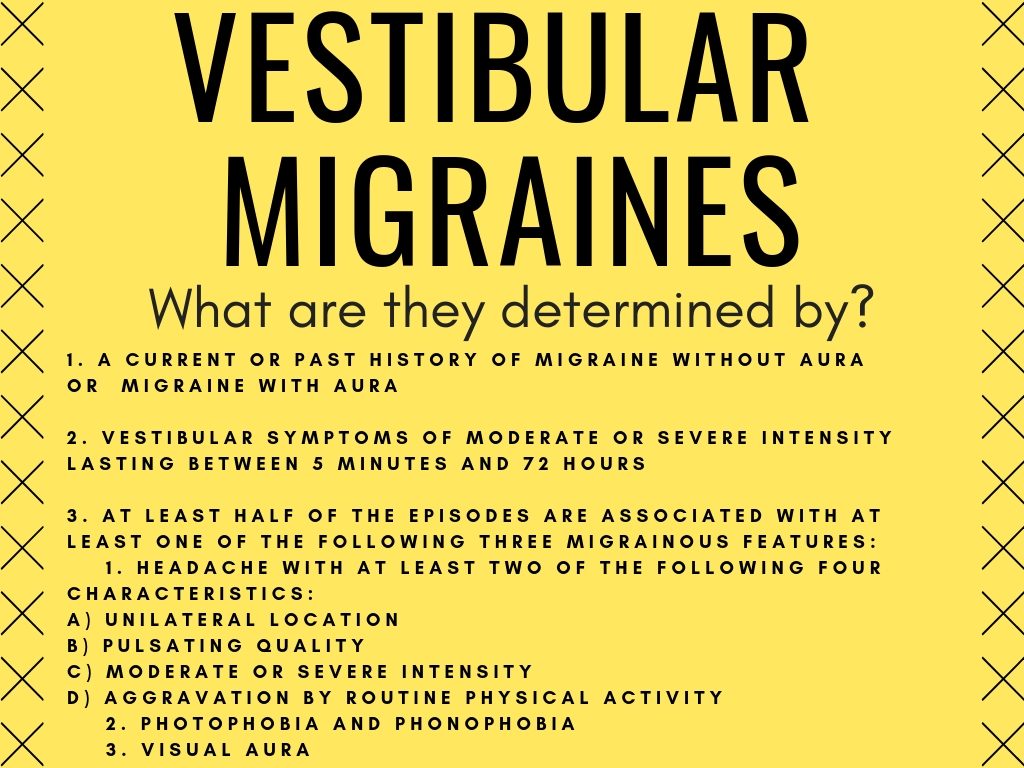
If you are still struggling with vestibular issues see our article on the 17 Greatest natural treatments for vestibular migraines here.

Join the migraine professional community to get a deeper understanding of how to heal the brain, stop inflammation and get natural and holistic solutions to brain pain and dysfunction by clicking the link here.

can vestibular migraines be cured

3 Astonishing answers for: Can vestibular migraines be cured?

For us to get the right answers, we need to ask the right questions.

And for us to have the right questions, we need to understand how to ask questions.

In this article we will cover 3 astonishing answers for the question “can vestibular migraines be cured?”

The 3 answers are: technically no, practically yes, and what you should really be focusing on.

Lets get started with technically no as it will provide the basis for understanding the rest.

1. Technically no

When we ask if something can be cured we have to start with the technical understanding since we are surrounded by the western method of medicine.

This method understands migraines as being something that is a life long chronic neurological disease that doesn’t have an objective measure of if it is gone forever or not.

In essence, because there is no test that shows a lab measurement has dropped or risen to a given area creating a state of “cure” then it can not be called that.

Technically because of this it is always in a type of remission and may come out of it any time.

In contrast, if we get an infection, there is an objective laboratory value and a range. If our numbers are within that range, we are infected and if we go below that range, we are cured.

This is easy to do and say with some issues but migraines are not so because of their lack of objective measurement by which we can gauge if we are free of it or not.

This leaves us with one factor that we can use to interpret our health. Active attacks or “remission.”

Because migraine is usually an all or nothing disease, this is hard to do as well. Just because we have not triggered a migraine today doesn’t mean that our trigger levels aren’t so high that we won’t trigger one tomorrow.

It is largely up to us to feel our bodies and often one of the biggest reasons we got into the mess we did is because at some point in our lives we had to compensate for pain or stress and became disconnected from our body. In this disconnect we forgot how to feel an accurate gauge of what will serve our body and what will push it too far.

This is all too common in the 21st century world of electronics, constant distraction and separation from all of the things we evolved with, especially our tribe.

We need to feel the gauge of remission.

How are we feeling, how are we functioning and how is our lifestyle doing in supporting us in the pursuit of our dream.

There’s a lot to it and with the way medicine is defined, we cannot say this disease is “cured.”

2. Practically yes

But that doesn’t mean that we cannot practically become free of migraine attacks forever.

Practically, it is possible for an individual to do this.

As a basis, we would do this by addressing the root cause that is pushing our body out of homeostasis as well as addressing the three main pieces of trigger mode:

  • Trigger level
  • Threshold level
  • Foundations

I’ve been free from migraines for over 5 years now, simply because I removed the main factors that were causing a huge strain on my body… The root cause.

But migraines are not so simple in this sense and it is not because our brain hates us or usually not because we have an inherited gene we can do nothing about.

Thinking in that way simply limits us in finding an answer.

Medicine advances every day. Don’t put yourself into a box. Unless you want to be in one, then by all means.

The root cause can be such a large strain on the body that we have to do everything absolutely perfect to be able to maintain low enough trigger levels to stay under our threshold.

We need to address the three areas that determine our tendency to be inside or outside of “trigger mode.”

Our trigger level is the sum total of all of the stress our body is taking on or perceiving. This is the load our body is under.

Our nervous system uses a sense called nociception where it totals all of the stress on the nervous system and responds to it accordingly.

But our nervous system connects us from head to toe, from mental, to emotional, to physical, environmental and even spiritual.

We need to lower the load on all of the different areas of our body and this will bring down the nociceptive response our nervous system has.

Lots of load will be interpreted as a lot of stress and a stressful environment.

If you are in a stressed environment, then you cannot sleep, digest, heal or learn properly. You are simply fighting for your life and trying to survive but this is counter productive to your desire to heal your brain.

Threshold level is the combination of the inherited tolerance as well as the accumulation of resources you have to cope with stresses in your environment.

Some people are much more resilient to triggering migraines and some are much less. This is usually because of their threshold level and how much tolerance their body has. This is a fairly steady marker but if we go through a healing period this can heighten and if we go through trauma, stress, toxicity, infection etc, this may lower and we will be less tolerant.

Then we have our foundations.

Our body is naturally equipped with systems to detoxify, repair and release stress.

These systems like sleep, breathing, drinking, eating, movement, thinking and detoxification are always working, 24/7 to try and lower the total stress on your body.

But in many people and especially many migraine sufferers, some of these systems get overburdened, forgotten and compromised, leaving us with what can be understood as a three legged stool.

If our body cannot release stress faster than it can enter our body and mind, we will eventually start experiencing symptoms.

This will happen through our weak links first.

In migraine sufferers, this is our brains.

We want to keep trigger levels low, threshold high and always support our foundations.

See the picture below to understand where the cerebellum is and how it connects to coordination and balance:

Lateral view of brain with lobes colored and functions listed.

3. What you should really be focusing on

We have been taught to naturally think that if we have a problem, we need a solution to that problem.

This is fine, but we have lapsed on learning how our body works.

It is completely interconnected and that place where we have symptoms is often not the place we need to focus our energy.

For example, a large majority of back pain is idiopathic, meaning it is spontaneous and has no known causes.

We go to massage therapists and physical therapists to strengthen the back, stretch it out and focus all of our effort on the back.

But this can easily be an abdominal problem, shoulder problem, knee problem, foot problem, neck problem and even jaw problem.

Systems of the body will take priority over others, the body has a system of prioritizing what it thinks are more important systems over others.

If our core is not activating because we have liver inflammation and the liver needs a high blood flow, then our core will not be taking strain off of the back.

This will easily lead to an unstable back and a back that has to take all of the weight.

Can you see how easy it is to get back pain that actually isn’t caused by the back?

Same thing can happen with the brain and headaches.

If we have a problem going on somewhere else, the head and the nerves around the head can easily become sensitized and start triggering.

We need to focus on overall health first, especially if we have chronic pain and daily migraines.

With such a large load of stress on the body, we need to support the fundamental systems first and make sure they are working properly.

This will often take off half the pain burden.

Sometimes, vestibular migraines can be caused by ear issues. Things like BPPV and ear infections that are mistaken for vestibular migraines.

But if it isn’t and it is a brain problem, we need to take a very different approach.

We need to support the foundational systems first and start checking off possible deeper causes.

Do we have:

  • Heavy metal toxicity?
  • Parasitic infections?
  • Nutrient deficiencies?
  • Emotional trauma?
  • Primary pain with secondary gain?
  • Physical trauma?
  • Structural imbalances?
  • A life we don’t want to live?
  • Blood sugar handling problems?
  • Neurodegeneration from dysfunctional mitochondria?

Our brain starts to lose endurance long before in its weak areas and fatigue long before migraines become a common thing.

The brain is showing that it is not producing energy efficiently and effectively enough to run normally and with stamina.

We need to heal this by addressing all of the factors that lower the brain cells or neurons ability to produce energy, the above factors and sources of inflammation or oxidation.

Remember the one common connection behind all migraine triggers is oxidation.

So we need to stop the source of the neurodegeneration. this is often caused by chronic inflammation from somewhere and a lack of ability to produce energy in the brain cells which is usually from nutritional deficiencies.

If it has the building blocks for energy, it can make it, if not, it will create a number of byproducts along the way that will create even more stress on the brain.

But we also want to create more neuroplasticity in the brain. Neuroplasticity is the linking together of brain cells, the creation of pathways and what makes learning possible.

And to make more connections between brain cells, we have to stimulate our brain enough.

Often if we are highly creative, we need to stimulate the logical side of our brain and bring it up.

If we are very numbers oriented and analytical, we need to stimulate the creative side and bring it up.

Through stimulating the brain, new experiences, complex movements and exercise, using things like cold showers that strengthen our vagal nerve and more, we can force the brain to create new, pain free connections instead of reinforcing the pain sensitive ones.

Migraineurs have been shown to lack cerebellar function and have vestibulocerebellar dysfunction far more than regular people.

For example, in vestibular migraines we need to understand that the cerebellum controls our orientation and balance, if the cerebellum is affected by inflammation, nutrient deficiencies and neurodegeneration, we need to stop whatever is stressing our body out like the above factors and then use exercises that will force our cerebellum to make new connections.

See the two videos below on exercises for the cerebellum.


The harder we can make the exercises we use, the more the brain has to try to build new connections.

As we develop more neuroplasticity in the brain, remove the maintaining factors through a good holistic assessment and add in the crucial nutrients our brain needs to produce enough energy to function without becoming hypersensitive to stimulus, we can see amazing changes.

By taking the initiative we can do what nobody else will do for us, heal our brains.

Join the community and learn more about brain health and migraines than you’ve ever known before by clicking here.

Do you experience vestibular migraines?

When did they start? Did they start with any other symptoms? Do you have other cognitive issues as well?

Comment below and share this article with someone who needs to know this crucial information.

migraine headaches from not eating and after eating

3 Amazing tips for migraine headaches from not eating and after eating

One of the largest and most common triggers are from food.

Some studies even call some types of migraine a food allergy.

I’ve seen clients go from daily headaches with migraine aggravations to only occasional headaches by only removing some foods.

But the migraine brain also has metabolic issues and a tough time producing energy which is why headaches from not eating are so common.

In this article, we will be talking about how headaches and migraines from not eating and after eating can be supported so that we aren’t so fragile.

3 Amazing tips for migraine headaches from not eating

Developing symptoms from not eating a meal or simply having to wait longer for a meal is a bad sign. In nature, we would not survive if we developed a migraine after every fasting period.

This is a sign that our body is not reacting normally and we need to take proactive steps to recover our metabolism.

If our brain constantly needs carbohydrates to function, it has probably become very inefficient at producing energy and extremely efficient at absorbing energy.

This means it will be very easy for it to store energy as fat, but not very well equipped to use fat as energy.

Our brain can run on two fuel sources, carbohydrates(sugars) and fats(fatty acids).

If we are constantly eating carbohydrate-rich meals then our brain doesn’t have the chance to get efficient at breaking down and using fats for energy.

And over time, especially with lots of simple sugars, our brain can develop insulin resistance which prevents it from using the carbohydrates as well.

This is a recipe for our brain to break down and lack the energy it needs to function properly and for us to stay migraine free.

So how do we support the repair of this system?

Before we begin, see this graph of some of the biggest triggers for migraines based on a study and look at how high food and skipping meals are.

migraine trigger statistics


1. Eat more fats

The easiest place to start is to include more healthy fats in your diet.

This means fats from grass-fed animals, wild fish, nuts, seeds, and avocados.

Do not increase the consumption of conventionally raised animals as their living conditions create a toxic product devoid of nutrition and filled with more problems than they will solve.

Fill the diet with some fats at each meal. They improve absorption of nutrients and provide the fat soluble nutrients vitamins A, D, E and K.

See our article on the top 10 super simple blood sugar stabilizing snacks here.

2. Use longer lasting carbs

Carbohydrates aren’t bad but spiking blood sugar is.

We want to keep blood sugar steady all day, this will give us better hormones, better anxiety, better sleep, improve depressive symptoms, clear brain fog and make our heads much more resilient.

There are a few ways we can balance meals to do this:

  • Make sure we drink plenty of water 30 minutes before a meal and if we have eaten too many carbohydrates we can balance them with water intake
  • Eat protein and fat with every meal of carbohydrates
  • Use complex carbohydrates as opposed to simple ones
  • Avoid over-consumption of caffeine or stimulants

Some sources of complex carbohydrates are:

  • Vegetables
  • Plants
  • Some fruit

Some sources of simple carbohydrates to limit are:

  • Potatoes
  • Grains
  • Legumes
  • Sugar
  • Candy
  • Alcohol
  • Too much fruit
THE BEST Low-Carb Chocolate-Heaven Cake on the internet – amazing!

3. Practise intermittent fasting

Intermittent fasting is an amazing practise that used to be the norm which has now turned into a necessary health strategy.

Intermittent fasting is done by simply limiting the window of time that we eat in.

Whereas usually we would eat when we wake up and before bed, leaving our only fasting time to be the 7-10 hours we sleep…

During intermittent fasting we would expand this fasting time up to 16-24 hours each day.

But for the migraine brain this is tough and needs to be worked up to.

We need to slowly wean our brain off of constant sources of food so that it becomes more efficient at making energy from the resources we have.

Remember we can live for weeks without eating any food.

Our body will go through an amazing clean up while we are fasting. It releases growth hormone, helps the brain build new pathways, removes dying cells and cleans up the entire body making it more efficient.

Some tips to adjusting to fasting:

Slowly increasing the time between your meals by half an hour

Taking an early dinner and later breakfast

Eat more proteins and fats as they will last your body longer, keep blood sugar more stable and help your body make the switch from carbohydrate burning to fat burning.

Hydrating properly throughout the fasting time

If you have a broken metabolism make sure to see a nutritionist before starting extended fasts

See this video on Why Do I get Migraines and Headaches From Not Eating And What To Do here:

3 Amazing tips for migraine headaches after eating

Because there have been so many food studies done that have incredible results for migraine sufferers, food is one of the first places to go for healing.

Having a migraine or headache start after eating is one of the main signs that our digestive system is disturbed and we need to become more mindful of what food is impacting us negatively.

If we have leaky gut, if we have histamine issues, if we aren’t breaking down our food or have food sensitivities, migraines and headaches are some of the most common symptoms.

1. Support digestion of food with acid and enzymes

Digestion starts in the brain.

When we think of food, our brain gets started producing all of the digestive juices needed to break that food down, liquify it, absorb it and use it to make us healthy, happy and whole.

There are a few key pieces we have to support with our digestion:

– Think of your food/get mentally hungry

– Remember to chew as much as possible(It should almost be uncomfortable) Our body absorbs liquids, not solids so remember the saying drink your food and chew your water

– Support stomach acid – we need really strong stomach acid and stress actually drops our stomach acid levels – if you have acid reflux its likely you actually have too little acid and food isnt exiting the stomach because of it – use apple cider vinegar and lemon juice to kickstart the acid

– Support your pancreatic and liver enzymes by eating lots of fermented and living foods, remember that the more dead your food is, the more effort it takes to make it a part of you

– Feed your gut bacteria, if they are balanced, they protect you from harm and feed you nutrients – make sure meals have fiber and take a probiotic

2. Histamine, tyramine and other biogenic amines

Migraine sufferers have been found to be low in an enzyme called diamine oxidase or DAO. This enzyme is responsible for breaking down different amines.

This can be a cause of headaches or migraines starting after meals and especially from things like wine, cheese, and Chinese food.

When our histamine or other amine levels get high, they cause big problems like non-stop headaches.

We can test some simple methods to relieve this by eating low histamine rich and histamine releasing foods…

Or taking a DAO supplement which can be found online.

See our article on the histamine migraine connection for more information.

See the pin below for histamine foods to be weary of while testing.

Histamine Intolerance and The Paleo Diet

3. Eat in rest and digest mode

We have two main modes to our nervous system that we don’t directly control but can influence.

The sympathetic mode where we are on high alert and stressed.

And

The parasympathetic mode where we are calm, cool, collected and our body is free to run its systems without strain.

When food is becoming a problem and digestion is compromised, chronically staying in sympathetic mode often plays a role.

When our body goes on high alert, it takes blood away from digestion and reduces the policing our body does on our gut.

Remember that 70% of our immune system is in our gut and for good reason.

This area is always interacting with the world and it needs support or else it can easily become compromised.

See this video on the two nervous systems:

The Stress Response and Your Autonomic Nervous System

Some key areas we have to be in rest and digest mode are:

  • Eating and digesting
  • Sleeping and recovery
  • Breathing and thinking clearly
  • Processing emotions from a logical perspective
  • Healing

This means we need to learn the tools we can use to make our body relax.

See our section on the two modes by scrolling down in the article here.

Migraines from not eating and after eating are some of the simplest triggers to correct and having a nutritionist or health coach can be an invaluable tool to do it.

The triggers almost always come from perfectly good reasons that have perfectly good remedies and the more we can understand about the body, the more we can understand how to lower our trigger levels, raise our threshold and live pain-free.

Click here to join our community because we provide the best holistic information for migraines on the web.

If you are still struggling with migraines that last forever and that medication doesn’t touch then read our article on status migrainosus and intractable migraines here.

Do you get migraines from food or missing meals?

Is it always consistent or does it change some days?

Let me know in the comments below and share this with someone else going through the same issue.

Gammacore vs Cefaly vs Eneura migraine devices / costs / reviews

Gammacore vs Cefaly vs Eneura migraine devices / costs / reviews

We all want a cure for migraines.

But because migraines come from so many different areas of health…

And because migraine is a natural mechanism by the brain…

It’s not as simple as 1 2 3(sometimes it is).

So we need every win we can get while we narrow down the root cause.

This is where migraine devices come in and they can be great for both acute attack relief as well as for prevention.

In this article I will be talking about the Gammacore, Eneura and Cefaly devices and how they compare.

What are they?

These migraine devices are patented technologies that use electrical or magnetic stimulation to prevent the pain associated with migraines.

Throughout the descriptions of each we will cover the cost, how it is supposed to work, possible side effects, if they have clinical studies, where to get them and what you need to know about them from a holistic health perspective.

Lets start with Gammacore.

Gammacore

Cost: $600 per month

How it’s supposed to work:

Gammacore uses n-VNS which stands for non-invasive vagal nerve stimulation.

The vagus nerve is a large nerve that controls the parasympathetic side of the nervous system’s control of the heart, lungs and digestive tract.

The parasympathetic can generally be thought of like the rest and digest side of the nervous system.

Opposite to it is the sympathetic side which is the fight or flight side.

The vagus nerve has a 9:1 ratio of information going to the brain as opposed to coming from the brain.

By stimulating the vagus nerve you may be disrupting a large amount of energy that is going back to the brain from the gut, heart, and lungs which is coming from issues they are having.

It is commonly seen that migraine sufferers experience food sensitivities which contribute to their pain and they commonly have dysfunctional guts.

This may be why the vagal nerve stimulation works so well.

Other methods of vagal stimulation are:

  • Cold showers
  • Singing/chanting
  • Massage
  • Deep breathing exercises

Gammacore was found to be effective in one study where:

12.7% of patients were pain-free at 30 minutes, 21% at 60 minutes and 30.4% at 120 minutes. This is an improvement over sham but not by much as sham had 4.2% at 30 minutes, 10% at 60 minutes and 19.7% at 120 minutes.”

Gammacore is FDA approved but requires a prescription which may be done through phone consultation. Insurance coverage does exist but does not usually fully cover costs.

Here is a video on how to use Gammacore: 

Side effects:

  • Shortness of breath
  • Hoarseness or change in voice during treatment
  • Muscle twitching
  • Discomfort or pain during stimulation

Reviews:

Reviews were actually very hard to find but it did seem to be effective in some cases.

What you need to know:

The application of a vagal stimulator to affect the input and output between the brain and the lungs, heart and digestive tract isn’t very far fetched.

We know there is a strong connection between the gut and brain, especially in migraines and headaches.

But it is still up to question if the vagal nerve stimulation is helping by speeding up the problem that the energy going through the vagal nerve is trying to fix or if it is simply scrambling the signal between the gut and brain so that pain is not transmitted as well.

Either way, there are many natural options for vagus nerve stimulation that are safe and come with a plethora of benefits.

Eneura

Cost: (Regularly priced at $750 for the first 3 months) But there is a $300 discount available

The nicest view I’ve ever had while using my @eNeuraTMS spring mini!! #chronicmigraine #migraine #eneura

How it’s supposed to work:

Eneura works by using single-pulse transcranial magnetic stimulation or s-TMS. It uses magnetic therapy to change how the brain and the nerves on our head react to pain stimulation.

A clinical study was conducted where 164 patients used it for at least one migraine attack with Eneura or a sham. 39% of the Eneura group was pain-free after 2h as opposed to only 22% of the sham group being pain-free after 2h.

They do have some case studies on the website here which go into detail about individuals experiences with the Eneura device.

The Eneura sTMS device is FDA approved for both acute and preventive treatment of migraines.

There are two ways to go about this therapy, one in which you get regular TMS at a clinic that has the machine which can run into $1000s worth of treatments…

OR

Using the sTMS Eneura device where you pay a monthly fee while using the device at home.

Both may be covered under insurance depending on your plan.

There is a great review of info published by the mayo clinic on TMS devices here.

Side effects: There are some side effects like increased headaches, rare seizures, and mood disturbances.

Reviews: It was actually difficult finding reviews for this device as the website is the only seller of it. But there are some reviews on this post inside the comments.

Where to purchase:

Has to be bought from their website. Www.eneura.com

What you need to know:

If you have exhausted all options then this may be worth a try.

That said, 100% of the people that say they have tried everything have not so don’t make it so easy for yourself to say it.

There are many amazing therapies that I’ve seen do away with all pain but they are not consistent.

Why?

Because migraine is not one thing.

Migraine is many different issues that end up in a few common symptoms we call migraine and this is one of the reasons it’s so important to understand the migraine mechanism and how trigger levels and threshold levels play a part.

Always look for the cause and get testing to look at the other systems of the body that may be bringing the brain down with them.

Cefaly

Cost: Base cost for the device is $295 plus $29 for shipping. A three-pack of electrodes is $25 with an additional $5 for shipping.

How it’s supposed to work:

The cefaly uses what is called electric transcranial neurostimulation or e-TNS and directs a mild frequency directly into the end of the trigeminal nerve which has been implicated in migraine.

Cefaly does have a fair amount of clinical studies done on its effectiveness in a number of disorders and use for both acute attacks as well as prevention of migraines.

In one study on migraine patients,

Average pain intensity was significantly reduced by 57.1% after the one-hour e-TNS treatment and by 52.8% at two hours. No patients took rescue medication within the two-hour observation phase. Within the 24-hour follow-up, 34.6% of patients used a rescue medication.

The idea is similar to both Gammacore and Eneura in that stimulation of the nerves around the head that are implicated in migraine create a lessening of the pain sensation they are causing and also release endorphins which are feel-good hormones that act as painkillers.

The Cefaly is FDA approved but does require a prescription to acquire in the US so some ship it in from outside of the country.

Side effects:

  • Buzzing sensation or pain
  • Tension type headache
  • Insomnia
  • Sleepiness during use
  • Skin irritation
  • Allergic reaction

Where to purchase:

Cefaly devices are available on Amazon and at Costco in Canada but you may need to order off their website in other areas. Www.cefaly.com

What you need to know:

Cefaly does seem to be very popular and work as a method of relief for many people. That said it is important to understand that simply stimulating the nerve that is creating pain doesn’t mean we are stopping what is causing the pain to have to be expressed through that nerve.

The body protects itself with pain so it may actually be counterproductive in the long term to use something that only stop the superficial pain without addressing the underlying cause of it.

It can be likened to when the engine light comes on in your car. If you simply pull the bulb out of the light then you won’t know somethings wrong, but something will still be malfunctioning.

That said, if you are still actively searching for and waiting to get functional medicine testing back then this may be a useful approach to get through the day.

Reviews:

Which one is best?

In my opinion, there is not a best one as they all seem to be superficial therapies that prove to be fairly expensive with monthly and maintenance costs.

It would be better investing in advanced lab testing that will tell you where you hormones are, if you have food sensitivities, if you have gut bugs, if you have nutrients deficiencies etc.

But if I had to choose one, it would be the gammacore as stimulating the vagus nerve seems to be the deepest approach.

In terms of popularity, the Cefaly wins by a mile.

They all seem to be fairly safe and effective in some cases.

But as a holistic health practitioner, knowing the implications that the entire body has in creating your health or feeding your disease, it’s simply not right to continue with a palliative therapy if you can be fixing a deeper issue that will provide long-term health,

See our article on status migrainosus and intractable migraines here if you are still experiencing difficult migraines that just won’t budge.

To understand how seeing your body holistically can give you the quantum leap in your health that medications won’t join the community here.

Have you ever tried a migraine device? Have you tried multiple or a device not talked about here?

Let me know in the comments below and share this with someone looking for other options.

Natural treatments vestibular migraines

17 Greatest natural treatments for vestibular migraines

Vestibular migraines are one of the most incapacitating forms of migraines.

Worldwide 1% of the population has vestibular migraines.

But thank nature for our very “plastic” brains because with the right detective work, we can deal with the causes and prevent the symptoms.

In this article, I will be talking about the 17 greatest natural treatments for vestibular migraines

What are vestibular migraines?

Vestibular migraines are a subcategory of migraines that can often be confused for BPPV or menieres disease.

The vestibular system is the system inside our heads that orients us in the world and gives us balance.

A vestibular migraine is just an extension of that where:

A migraine and the cascade of events that happen with whatever is causing the migraine ends up affecting the vestibular system and causing symptoms like:

  • Dizziness
  • Nausea
  • Vomiting
  • Balance problems
  • Motion sensitivity
  • Disorientation or confusion
  • Unsteadiness
  • Sensitivity to sound

Vestibular migraine has become another one of those very flimsy diagnoses because of its unknown causes which have lead to a huge amount of people being lumped into the category.

There isn’t an issue with the diagnosis as much as there is an issue with the assessments that go into the diagnosis and the ruling out of other causes that would otherwise fix the problem.

Medicine is functioning on 40 year old knowledge and not enough is understood about the body before this diagnosis is given.

Something as simple as removing foods that are aggravating the body or correcting nutrient deficiencies can provide relief on a case by cases basis but this is largely ignored and medications are the focus…

When we can correct the root cause, we can prevent ourselves from simply medicating for a lifetime. But because a standard GP does not provide a thorough enough assessment, we often need to go to other practitioners to get the right help.

I will cover some of them in this article.

See the infographic below to understand how vestibular migraines are diagnosed:

Natural Treatments Vestibular Migraines Headaches

How can we understand vestibular migraines?

Vestibular migraines, at the basis, once we rule out other causes like infections, sensitivities, toxicity, structural imbalances etc is a migraine that affects the vestibular system.

When the migraine mechanism gets triggered or becomes highly sensitive to trigger which usually happens in chronic migraine sufferers…

Then every small thing can trigger the brain into this reaction.

As the brain struggles to deal with stress and regain homeostasis which is normal baseline functioning, many different systems can go haywire and be affected.

The vestibular system is just one of them.

If the visual processing area is affected, we may get a visual aura, if the olfactory system is affected, we may get phantom smells and if the auditory system is affected, we may hear sounds that aren’t there.

Migraine is a global reaction in the brain and the system that gets affected the most is usually the individuals weakest system.

But this doesn’t tell us much other than to support that system more than we do others.

What we want to understand is what is causing our brain to “migraine.”

Migraine is a mechanism that the brain uses as a protective backup that once the stress is too high, gets triggered to bring more resources and prevent further damage.

We are on the receiving end of that stick as throughout evolution our body has evolved to communicate problems to us through pain.

So let’s look at the 17 greatest natural treatments for vestibular migraines.

As a disclaimer, none of these are for the treatment, prevention or cure of any condition and you should always consult your own doctor before making any changes. There are many different areas that go into dealing with disease and you need an experienced holistic health practitioner to be able to tackle them step by step. This is only what works for me and that may be different for you.

17 Greatest natural treatments for vestibular migraines

As we go through some of these that have been incredibly helpful in getting relief, you may notice that migraine is not an incurable disease at all, but simply the result of the body trying to cope with too much stress.

By dealing with the underlying cause you are much more likely to not have to palliate symptoms.

1. Migraine Glasses

We will start off with an easy one. This is just a simple way of reducing the stimulus on your brain and preventing what has now been found to be damaging “blue light” from entering your brain and disrupting circadian cycles.

Migraine glasses are any type of glasses that specifically block blue light and help your body adjust to the natural light of the earth which tunes your body and all of your hormones.

They are usually an amber, orange or red shade but make sure to get a certified blue blocking pair like these.

2. Limit these foods

Next, we have to understand that the majority of migraines may just be a food allergy.

Over and over again, when sensitive foods are removed from migraine sufferers diets, they can receive profound relief.

Just look at this study entitle “Is migraine a food allergy?”

In this study,

93% of 88 children with severe frequent migraine recovered on oligoantigenic diets.”

93% is no small number. And I can vouch for it because as soon as I removed sensitive foods from my own diet, my light, sound and smell sensitivity went away and my migraines became non-existent.

It is important to remove 3 types of sensitive foods:

  • Personal allergens
  • Inflammatory foods
  • Most common allergens

A personal allergen is specific to you and your body because everyone has different sensitivities and tolerances for food.

Inflammatory foods are those foods that are just bad for us in general and raise our trigger levels.

And the common allergens are found in study after study to be sensitive in many individuals with migraines.

If you want to know more about food triggers with a step by step plan for dealing with them, get our food triggers guide here.

See the infographic below for the most commonly sensitive foods for migraine sufferers found in one study.

Migraine Commonly Sensitive Foods

3. Mindfulness for stress busting

We have to understand the play here between our nervous system and our… everything else.

The mind and body are completely interconnected.

The mind talks to the body using the nervous system which connects our entire body together.

When the mind feels a certain way, the body reacts.

What the mind does, the body follows. Always.

So if we are stressed or even perceive that we are stressed…

Our body will think we are stressed as well.

It will release stress hormones, use up nutrients and resources and prepare us to deal with that stress.

But if that stress never goes away, if we are stressed because of a relationship or work or just an extremely obsessive personality…

Then our body will constantly be burning resources that could be used to repair the brain.

If our body is on fight or flight mode, it’s not on rest and digest mode.

This causes our trigger levels to go through the roof.

So finding a simple way to drop the stress, and keep dropping it throughout the day, can keep us in rest and digest mode where we are lowering our trigger levels, not raising them.

One of the easiest ways to do this is mindfulness.

Mind-ful-ness is the practice of “filling your mind” with what is going on in your body.

Simply stop everything you are doing, bring your focus into your self and onto your body.

Where are you holding your tension? Let it go, relax, drop your shoulders and breathe in through your stomach.

The more you can be mindful of your body, the more you can prevent stress from staying stuck inside of it and creating tension that could lead to a very trigger happy brain.

To learn more about the two sides of the nervous system, the fight or flight side and the rest or digest side, click here and scroll down to the sympathetic/parasympathetic nervous system section.

4.Supplementation

First off, supplementation is just that, a supplement.

It should be used as an addition to an already solid lifestyle and nutritional program.

Because without those two, supplementation may lead to more problems.

But there are some amazing supplements that can be used to tackle this dizzy state our brain keeps putting us into.

The 3 most common, most studied safest among them are:

These are powerful allies we can use in supporting our brain and preventing migraines.

But of course, dosage depends on you and your bodies and brains needs. Get testing done to find out what your specific case needs.

These three are actually used as nutrients inside of the brain to create energy so that our brain runs smoothly, protect us from oxidation which has been found to be the one common connection behind all migraines and cope with stress which is the master trigger.

5. Get the right type of physical assessment

Next, we have to understand the absolutely massive role that our bodies structure plays in vestibular issues of all kinds.

This becomes a problem area because a GP does not have the knowledge to assess you here.

You will likely need a:

  • NUCCA chiropractor
  • Osteopath
  • CHEK practitioner

to give you a full assessment.

You want to get everything looked at, from your head and atlas to your butt and coccyx.

All of our nerves hold hands and affect each other.

In particular, we want to:

– Get cranial balancing especially with any head or neck trauma

– Get TMJ fixed as the TMJ is linked into our balance system

– Check for compression of the vestibulocochlear nerve which controls the vestibular system

– Make sure we don’t have vertebral basilar insufficiency or a vertebral artery occlusion as reduced blood flow means lots of issues

– Get all of our vertebrae and bones checked out especially the hyoid bone and upper cervical vertebrae

Is your posture off? You likely need to have it checked out. Make sure to get a skilled therapist. A basic physical therapist will not do.

6. Cut out these 2 foods

The two most commonly problematic foods, that often don’t even come with any gut or digestive issues if you have problems with them is:

  1. Gluten
  2. Dairy

Dairy is a massive source of congestion. If we cannot digest dairy properly, we are loading our body and immune system up. This can create a lot of mucus(It definitely did for me).

This mucus will clog our ear nose and throat system and that is where many vestibular issues may start.

Gluten has been implicated in so many different neurological diseases it’s incredible.

If you are having any chronic issues, especially migraines, cut the gluten.

There is also a term called gluten-induced ataxia where the eating of gluten you are sensitive to creates degeneration in the brain and can lead to balance issues, slurred speech etc.

Avoiding these two may be one of the best decisions you ever make.

7. Balance blood sugar by using this

Blood sugar is one of the largest players in our entire bodies health.

If our blood sugar is bouncing up and down from stress, caffeine, or bad food choices and meal timing, we are just waiting for something bad to happen.

If we already have vestibular migraines, blood sugar regulation is in the top 5 things we have to do.

Our brain functions on two forms of energy, carbohydrates and fats.

In a healthy brain, we are constantly balancing the two of them because we need both.

When we are constantly carbohydrate dependent meaning we only eat sources of carbohydrates and sugars, then our brain doesn’t receive enough fat as energy.

When our carbohydrate intake is low, our body starts breaking down fats to use as energy instead.

When our carbohydrates are high, our body won’t break down fats because it’s always storing the sugars as fat.

But when we are constantly spiking blood sugar by eating simple sources of carbohydrates and sugars, we are also making our body release huge amounts of insulin to store that sugar.

If we keep dumping the insulin and sugar, our cells will lower the amount of receptors they have for insulin.

This is the beginning of insulin resistance.

As we continue down this road of stress, caffeine, and simple sources of carbohydrtes like sugar, our brain cells stop absorbing and utilizing the energy spikes.

This leads to break down in our brains cellular metabolism.

No energy = no function

What’s one of the most common triggers for migraine sufferers? Fasting

Because in a fast you have no sugar coming in to keep the brain going at whatever low state of health it’s at.

And most migraine sufferers are carbohydrate dependant meaning their body has lost the ability to break down and use fat for energy.

No energy = brain blackouts = migraines and all the symptoms we get with them like vertigo.

We have to avoid this.

In the beginning of the repair process we have to provide small amounts of simple sugars but the goal is to switch over to vegetables and low glycemic fruit.

High quality organic and wild protein + some low glycemic vegetables + nuts and seeds = healthy happy brain

This means we need to avoid:

  • Sugars

  • High glycemic foods

  • Corn starch

  • Processed and packaged food

  • Grains

  • Legumes

To get a list of and better understanding of foods that balance your blood sugar see our article on 10 super simple blood sugar stabilizing snacks to keep migraines at bay here.

8. Epley Maneuver

The epley maneuver is used when little crystals in your ear that are used for sensing where you are in space break off and float into one of your ear canals.

This crystal can cause the balance system to go haywire and this technique is used to get the crystal out of the canal.

See this video for more information on the epley maneuver:


9. Correct forward head posture

One of the most common causes of cervical nerve pinches and vertebral dysfunction is caused by bad posture.

When we sit or stand with improper posture, we can create a huge load on the body and change the normal structure of our bodies.

The most common change in the last 20 years has become forward head posture.

Forward head posture is when the head is protruding more forward than it should be.

This doubles, triples and even quadruples the amount of stress put onto our necks and is a really easy way for our nerves to pinch and for us to reduce blood flow to our brains.

Does neck or shoulder tension play a role in your VM?

See the infographic below to get an idea of the stress “text neck” puts on your head and body.

Text Neck

If you think this may be an issue, see our article on 1 big tip for cervicogenic headaches here.

10. Do you have this infection?

A very local infection we can have that will send off our vestibular system is a middle ear infection. This should always be one of the first things to be ruled out.

But there is a secondary infection that can create many problems, especially raising our trigger levels and leading to migraines…

It is largely assumed that in the first world, gut infections are non-existent because we have better hygiene.

This is not true.

60-80%+ of the first world population has an active parasite infection.

And these little guys often don’t stay in the gut.

They can become systemic and bring their friends along with them.
But testing for them is largely ignored and far too basic if done by a standard GP.

Having something as simple as athletes food, or dandruff may be a sign that you have a deeper infection that is draining your bodies resources.

But just like trying to kill symptoms, trying to kill the infection can create even more issues.

We want to strengthen the body. It’s usually only because the body has become weak that we will experience these issues.

If we just try to nuke everything with antibiotics, we make get rid of the infection but set ourselves up for dysbiosis(gut bacterial imbalance) or autoimmune disease in the future.

Get tested and see if you experience symptoms that may correlate to infections in the gut.

One of the most common causes of food sensitivities is a bad gut and this goes hand in hand with parasites.

11. Address your master gland

There are few things as well connected to migraines as thyroid issues.

If your thyroid is malfunctioning, it needs to be addressed.

The more common issue here is that the thyroid is slowing down and you are going more “hypo” thyroid as opposed to “hyper.”

The thyroid is the master gland because it regulates all metabolism.

If our body is stressed, it will try to preserve energy, which means it will slow metabolism.

If we are nutrient deficient, our body will not be able to activate and convert thyroid hormones.

If we have food sensitivities to things like gluten, our body can actually mistake our thyroid for the gluten and attack it, causing thyroid dysfunction.

Remember to address the cause, look at the body as a whole and get a qualified holistic health practitioner.

A standard GP will usually only test you for T4 and TSH. If they do this, run.

You need a full panel including:

  • Free T4
  • Total T4
  • TSH
  • Total T3
  • Free T3
  • Reverse T3
  • TPO antibodies
  • Thyroglobulin antibodies

And if they are only interested in prescribing synthroid, run.

12. Downregulate adrenaline, cortisol, estrogen

This helps us circle back.

If we are stressed, adrenaline is high. If we have trauma, especially from our childhood, we are more likely to be sensitive to stress and adrenaline will be high.

If we are stressed, don’t have good circadian rhythms or constantly bounce blood sugar, our cortisol will be high and create systemic inflammation.

And if we have nutrient deficiencies or use makeups, plastics, hygiene products etc made of plastics and petroleum products then we will be taking in huge amounts of xenoestrogens and disrupting our hormones.

These all lead to a trigger-happy migraine brain and dizziness galore. Address them and keep them low.

See our article on the foundation principles to migraine health here and if you want a step by step plan to lower your trigger levels then start the 10 steps program today.

13. Use ginkgo biloba

Gingko biloba is an amazing herb. The reasons it has been shown to be so good for vertigo and dizziness like symptoms is because it increases blood flow to the brain among other things.

Traditionally, gingko was used to improve memory and recall ability.

But as a vertigo tool, it shows some promise.

Everyone is different so what works for you may not work for someone else. That said, gingko works for many.

14. Cut out the environmental poison

We have to understand that our environment and its rapid change in the past 100 years has huge effects on our bodies, brains and health.

One of these changes is the huge influx of chemicals that we have never before been exposed to in our millions of years of evolution.

This has created many issues. One of them is multiple chemical sensitivity.

Among the population, 12.8% report medically diagnosed MCS and 25.9% report chemical sensitivity. Of those with MCS, 86.2% experience health problems, such as migraine headaches, when exposed to fragranced consumer products; 71.0% are asthmatic; 70.3% cannot access places that use fragranced products such as air fresheners; and 60.7% lost workdays or a job in the past year due to fragranced products in the workplace.”

This is huge and vestibular migraines are not exempt.

We have to reduce the load our bodies are taking because of the different chemicals in our environments.

This means we need to:

  • Switch hygiene products to natural sources
  • Change makeup brands to find non toxic and chemical free, tested products
  • Avoid any plastic, rubber or petroleum products
  • Avoid plastic wrapping, plastic bags, plastic containers for food
  • Switch our cookware to things like titanium or cast iron instead of aluminum, teflon or non stick
  • Eat pesticide, herbicide, insecticide, antibiotic, hormone and cruelty free foods
  • Wear organic clothing that as synthetics don’t breath and are made of synthetics
  • Use more natural cleaning and laundry supplies

See this infographic for a class of hormone disruptors called obesogens:

Obesogens: Hidden Chemicals Making Your Family Fat – Mamavation

Not only do we need to go out of our way to remove chemicals but we also have to screen for molds and mildew.

Just one small leak in the basement of your house can get into your ventilation and cripple your body.

Do not underestimate mold.

They have survived for billions of years and have helped us create things like insulin and penecillin for good. But they also create many neuro-toxic poisons that will damage our brains.

Just the simple fungus candida can create over 200 different kinds of toxins that may adversely affect us.

15. Try this homeopathic

One of the amazing tools on the block for vertigo-like symptoms is homeopathic medicine.

It’s safe, effective and can actually provide long-term relief without being dependent for life.

I do not usually recommend combination homeopathics because it is hard to track how symptoms change and where to go from there but vertigoheel is an exception.

If you have vertigo-like and vestibular-like symptoms and you’ve exhausted all the other options(which rarely happens before you feel much better…)

Then try vertigoheel.

16. Fix this pattern

If we want to overcome chronic illness, we have to understand breathing properly.

Our breath is deeply connected to our brains and guts and emotions and detoxification.

Remember that we can go weeks without eating, days without drinking but only minutes without breathing.

This function is at the top of the totem pole of our bodies function and it regulates many other systems.

Fixing it does not happen overnight.

It’s a habit and habits are hard to break.

If we have been breathing a certain way for 1,000,000+ breaths, we are going to need more than one or two attempts at correcting it.

This means every day, ideally two or three times a day we need to stop what we are doing, bring our focus to our breath and bring it deep down into our bellies.

If our belly doesn’t expand when we breathe in, we may need a breathing coach or to take the 10 steps program.

Our normal breaths should be 4-6 seconds in and 4-6 seconds out.

They should go deep down into our abdomen causing our belly to go out when we breathe.

Our shoulders should not be lifting and our neck should not be tensing when we breathe.

Take it slow, don’t force it and keep practicing.

Breathing this way is one of the easiest methods for dropping our stress and relaxing our muscles and tension.

17. EFT

Our migraine pattern is the product of the traumas we’ve had in childhood, the patterns we’ve learned from our parents, our own compulsions and our brain and bodies way of compensating for all of that.

The migraine pattern will grind us into the ground if we don’t recognize it and break it.

We develop these patterns in times of stress to deal with the situation.

But this doesn’t mean we should continue with the pattern for the rest of our lives.

We need to recognize and release these and this has to come from a place of safety and security.

This is where EFT comes in as a simple method for creating the emotional resilience and releasing the emotional tension we have.

See the video below for an EFT demonstration.


Always look for the root cause, if you haven’t found it, get holistic health practitioners to help you do it like we do here at Migraine Professional.

I have created a special webinar presentation entitled The 3 Linchpin Areas That Destroy Hormones and Put Your Brain In Pain which you can find here.

I will be covering the 3 areas that are often neglected and prevent you from every actually getting better, instead going through the medication merry-go-round for years.

This free webinar presentation will help you understand WHY the body isn’t getting better and WHERE you need to look to fix root causes instead of just receiving band-aid fixes.

To see the webinar click here.

Do you experience vestibular migraines or symptoms of vertigo or dizziness with head pains?

Let me know in the comments below and share this with someone else suffering who may benefit.

Can Gluten Cause migraines and headaches?

Can gluten cause migraines and headaches?

If I found out something could be causing my migraines, I would stop it right away.

With just removing one or two sensitive foods, I’ve seen clients go from daily headaches between terrible migraine episodes, to only having monthly headaches…

In this article, I will be covering the connection between wheat + other gluten-containing grains and migraine headaches.

I will also talk about what to do if you have a serious relationship with gluten and don’t want to break it off.

Can Gluten Cause Migraines And Headaches?

What is gluten?

Gluten is a protein.

This protein called gluten is present in all of the gluten-containing grains like:

  • Wheat
  • Spelt
  • Kamut
  • Farro
  • Durum
  • Bulgur
  • Semolina
  • Barley
  • Rye
  • Triticale

and gluten contaminated oats.

But there are many other proteins in wheat and other gluten-containing grains that can be a problem as well.

Gluten has become a big buzz in recent years because of its connection to various inflammatory problems, one of them being migraines and headaches.

But wheat has been eaten for thousands to even millions of years…

Why is gluten a problem now?

Lets face it. We are a very different culture now then we were 100 years ago…

Even 50 years ago.

Let alone 1000 or 10000 years ago.

But our genes don’t change very quickly so they cannot be blamed for the massive changes that have happened in the last 20-50 years…

What is contributing to the massive changes that have created the gluten free diet craze?

3 pieces.

But before I go into these 3 pieces we need to understand leaky gut.

Leaky gut

Our intestines are like a tube of thick carpet and each strand of that carpet has cells that regulate and absorb nutrients.

Between each of these cells is a small space that allows nutrients to get in and out depending on the size of the space and the regulation by the cells.

But when this gap between the cells gets too big, or is forced open by hormones we have in our gut, big proteins can get into our circulation. (think gluten and casein)

When they get through, our immune system can target them and attack them wherever they land.

If they land in our knees, they get attacked there and we get knee inflammation.

If they land in our thyroid, our thyroid gets attacked and we develop metabolic issues.

If we have a leaky brain and they land in our brain, we can get brain inflammation.

This is bad news for the migraine brain.

Watch this short video on leaky gut:

Keep leaky gut in mind while we go through these 3 pieces that have created massive changes in our ability to eat gluten.

1. Our environments are different

We have moved out of the rural setting with lots of bugs, bacteria and animals that used to give our body lots of exposure to microorganisms that would both:

  • Stimulate our body’s defences to keep us strong

  • Add to our bodies micro organism population that actually makes us able to break down foods and stay healthier

But we have also:

Moved into more stressful environments that lower our stomach acid and enzyme production which are supposed to help us break down food enough to absorb and not cause inflammation.

Have more exposure to electromagnetic fields that toy with our nervous systems ability to regulate themselves…

And so much more…

How different is a city from a farm?

It would be easier to ask what is the same because there is so much less.

2. Our wheat is different

Today, wheat is processed very differently from before the industrial revolution.

– Our soils have less nutrition

– We use more pesticides and herbicides

– We use genetic modification that has made these proteins less recognizable by our bodies

– We make wheat products differently

Our ancestors and even our grandparents would sour our doughs or just leave them over night so that the enzymes present in these live and unprocessed foods could break down the proteins before we ingested them.

This made it easier on our own digestion.

If our body is having trouble breaking the gluten protein down into amino acids that the body can use as building blocks, then gluten has a higher chance of getting through the gut and causing damage.

3. We are different

Our bodies and the parallel universe of microorganisms inside of us that control everything we do have drastically changed over the last few decades.

  • We are more often born by C-section which prevents moms good bacteria from getting planted into our gut and making us healthy

  • We use more formula and less of mom’s milk which is specifically designed to build our immune system, make our digestion strong and give us more nutrients than any formula can

  • We very frequently use antibiotics that aren’t absolutely necessary, which cause a massive die off of the good bacteria in our gut, giving bad bacteria the chance to take over and create a monopoly

  • We have been raised into a world of safety and security issues that put us on high alert, leading to chronic stress levels that take resources away from regulating our gut functions

It’s impossible to pinpoint one thing as we are all different, our digestions are different, immune systems are different and brains are different. We have different exposures and different predispositions.

But the combination of a weakened digestion + an imbalanced microbiome + a susceptible brain

= neurological issues

Wheat is just a hard to digest protein that becomes the center of the storm.

How do we connect migraines to gluten?

Often those suffering with migraines are found to have little white spots in their brains called white matter abnormalities.(Study)

These white spots come with an increased risk of stroke, dementia and death. (Study)

These abnormalities are found more commonly in migraineurs than in the regular population. (Study)

A small study was done on 9 patients who had migraine, celiac, and white matter abnormalities and found that removal of gluten from the diet resulted in relief from symptoms of migraine and improvement in the white spots. (Study)

But returning to gluten caused it to come back.

Clinical Nutritionist, Chronic Gut & Skin Rash Expert, Gluten Free Foodie, Podcast Host. Dive deeper at www.jenniferfugo.com & www.skinterrupt.com

During regular day to day life, our brain has a protective mechanism called the blood-brain barrier(BBB).

This keeps our brain safe.

But when a migraine comes along, when we are sufficiently stressed, have too little sleep, are exposed to electromagnetic fields all day or drink alcohol…

The BBB leaks and we get a leaky brain. (Read more about leaky brain here)

With foreign particles floating around the brain and activating our immune system… We are primed for a migraine and chronic inflammation. (Review)

See this video on how gluten contributes to brain and neurological issues from Sean and underground wellness:

Can gluten contribute to migraines and headaches?

Yes.

But is gluten the primary target? A little yes and a little no.

If you want to stop a food sensitivity that was found to affect 78% of migraine sufferers in this study then taking out wheat is a necessity.

But if you have a leaky gut, your immune system is being sensitized to foods, and they are getting through your blood-brain barrier…

Then you need more tools in your arsenal.

This is why I created the food triggers guide.

But aside from wheat, there are many more foods that can be sensitive.

You also want to heal the gut and restore balance to intestinal bacteria.

If you have an overgrowth of bacteria or a parasite infection which studies have shown upwards of 80-90% of first world people have then removing at least wheat while you heal is a necessity.

And if you want to fix leaky brain then see our articles here and here.

So now begs the question…

What do I eat?

Not gluten, ideally not grains and preferably foods that feed good gut bacteria.

Steer clear of all processed and packaged foods that are labeled “gluten-free.”

There is a massive market for gluten-free founds and it has become abused by the food industry as a way of marketing “healthier” foods when in reality many gluten-free labeled foods are just as bad as the ones with gluten. Poor quality in, means poor quality functioning out, gluten or not.

The problem is that if we develop a sensitivity to gluten, our body can start recognizing other proteins that look like gluten and attack them as well. This is why many people who are gluten sensitive are sensitive to all grains.

If you think you may be sensitive to gluten it would be important to try making your own wheat products yourself, letting them rise and ferment longer and using organic ingredients to see if it is a processing issue and not necessarily a gluten issue.

These are the non-gluten grains you may want to try when steering clear of gluten:

  • Amaranth
  • Buckwheat
  • Rice
  • Millet
  • Quinoa
  • Sorghum
  • Teff
  • Wild rice(not technically a grain)

Some people do better with gluten-containing grains in other countries like in Europe where laws on genetic modification, processing and spraying of wheat and other grains is different.

See the Migraineur Food Pyramid for a more complete list of what to eat with a migraine brain.

Even though gluten is not necessarily the cause for the migraines, it is one of the largest contributors and removing gluten along with healing the gut has been shown to make massive changes in head pains of all sorts.

To get a deeper understanding of migraines and how to heal them join the migraine professional community here.

Do you think gluten could play a role in your migraines or headaches?

Let me know in a comment below and share this with someone else who may benefit.

The FREE 5 Most Common Mistakes Of Hormonal Migraines E-Guide teaches you:

– Why hormones are the most important focus around why your migraines and headaches keep triggering

– How PMS is common but NOT normal and why it needs to be addressed to be pain free in the long term

– The 5 most common mistakes why hormones stay broken, why so many women become migraine free with pregnancy and why birth control is not a solution